Yugoslavia’s music scene was as diverse, daring, and dynamic as the country itself. From arena rock and poetic punk to new wave experimentation and genre-blending brilliance, these five albums offer a powerful entry point into the world of Ex-YU music.

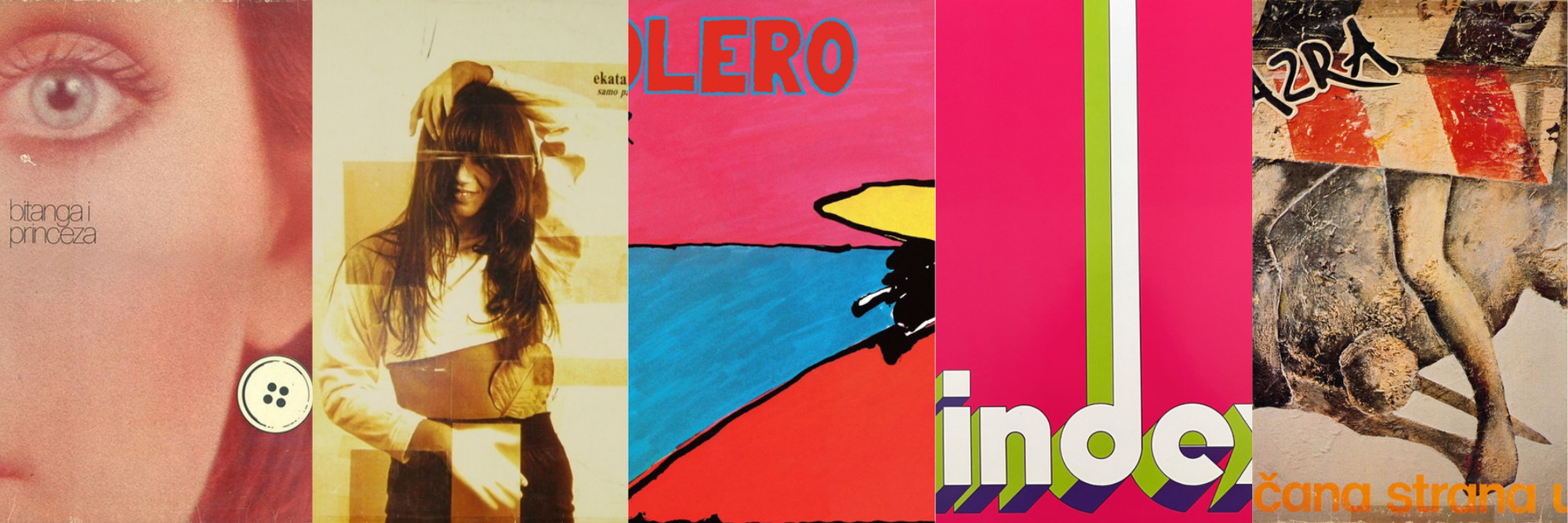
1. Bitanga I Princeza – Bijelo Dugme
(1979)
Often cited as Bijelo Dugme’s finest work, Bitanga I Princeza (“The Rascal and the Princess“) emerged during a transformative period for the band. Following Goran Bregović’s military service and Željko Bebek’s solo endeavours, the group underwent lineup changes, introducing new energy into their music. This album stands as their last hard rock effort before transitioning to new wave, blending their signature style with emerging trends of the late ’70s and early ’80s.
The album’s release wasn’t without controversy. Jugoton, their label, rejected the original cover art for being too provocative, and several lyrics faced censorship. Despite these challenges, Bitanga i Princeza was a commercial and critical triumph, breaking sales records with over 300,000 copies sold.
Musically, the album showcases a fusion of hard rock and Balkan folk. The title track narrates a nocturnal encounter between a “rascal” and a “princess,” encapsulating the band’s storytelling flair. Ala Je Glupo Zaboravit’ Njen Broj (“It’s Stupid to Forget Her Number“) blends hard rock with Balkan folk tones, capturing the narrator’s spiral into anxiety. The album concludes with Sve Će To, Mila Moja, Prekriti Ruzmarin, Snjegovi I Šaš (“My Love, Everything Will Be Covered By Rosemary, Snow and Sedge“), an epic track that compels listeners to disappear into its poetic lyrics and grand composition.
Bitanga I Princeza represents a moment of transformation—a band at a crossroads, embracing sonic change while honouring their roots. It’s as bold as it is introspective, as musically ambitious as it is emotionally resonant. A timeless testament to Bijelo Dugme’s enduring influence on the Ex-YU music scene.

2. Samo Par Godina Za Nas – Ekatarina Velika
(1989)
Ekatarina Velika’s Samo Par Godina Za Nas (“Only a Few More Years Left For Us“) is a darkly poetic masterpiece that captures the anxieties of a fading decade and an unraveling country. Steeped in post-punk atmosphere, this is the band’s most accessible and enduring record. Tracks like Krug (“Circle“) and the title track are as haunting as they are anthemic, with Suba’s textured production giving the album a timeless sonic depth.
The album opens with Iznad Grada (“Above the City“), a track steeped in gloom and decay, setting the tone for the rest of the record. While some tracks in the middle section may not reach the heights of the album’s peaks, the band finds its footing again with the title track, a subtle political forecast that captures the tension of the times. The closing tracks, Ona Mi Je Rekla (“She Told Me“) and Svetilište (“Shrine“), provide a brooding and ethereal atmosphere, leaving a lasting impression.
In the grand scheme of Ex-YU rock, Samo Par Godina Za Nas is a must-listen. While it may not be the band’s most innovative or experimental album, it’s arguably their most accessible and complete. It’s also a perfect portrait of the late ’80s Yugoslav scene: a little sad, a little anxious, full of dark beauty and quiet resistance.

3. Bolero – Haustor
(1985)
Haustor’s Bolero, released in 1985, stands at the pinnacle of the Ex-YU new wave scene, seamlessly blending various genres to create a timeless classic. Acting as an introduction to the music of the former Yugoslavia for many, Bolero leaves a profound impact through its innovative sound and rich cultural, historical, and emotional depth.
The album opens with its title track, exuding the vibrant spirit of a Brazilian street carnival, underscored by a jubilant brass section. Ena brings a shift towards reggae and ska, reflecting a nuanced emotional landscape that oscillates between optimism and apprehension. Tv Man presents a stark change in mood, with Rundek’s sombre narration painting a bleak yet captivating urban scene. Sejmeni stands out as a powerful anthem of resistance, drawing from historical narratives of defiance.
Side B continues the album’s eclectic spirit with tracks like Take the Money and Run and Ja Želim (“I Want), reflecting early hip hop influences and new wave aesthetics. Šejn builds into an energetic crescendo, exhibiting further reggae influence and storytelling flair. The album closes with Šal Od Svile (“Scarf of Silk), a hauntingly beautiful track that delves into themes of suicide and loss, leaving listeners with a sense of catharsis and contemplation.
Bolero is a testament to Haustor’s ability to weave diverse influences into a cohesive and impactful album. Its rich tapestry of sounds and themes continues to resonate, making it a cornerstone of Yugoslavian music history and a must-listen for anyone exploring the region’s cultural legacy.

4. Indexi – Indexi
(1974)
Indexi, one of the earliest and most influential Yugoslav rock bands, formed in Sarajevo in the early ’60s and were shaped by the Beatles, always reaching toward something more authentic and expansive. Their compilation album, released by Jugoton, gathers iconic singles from the early ’70s, many of which never made it onto a proper studio album. Taken together, they form a poignant time capsule of ’70s Sarajevo.
Tracks like Svijet U Kojem Živim (“The World I Live In“) showcase Indexi’s blend of shimmering melodies and catchy instrumentation, with Davorin Popović’s soulful and intimate vocals. Da Sam Ja Netko (“If I Were Somebody“) tugs at the heart, with its chorus lifting like a plea, and the organ and guitar coiling around each other like old friends. Plima (“Tide“), released in 1972, is a slow-building, bittersweet classic with a legendary closing guitar solo by Slobodan Kovačević.
Listening to Indexi feels like walking through an old street in Sarajevo—not as it is now, but as it might have been. Faded posters on the walls, distant music through open windows. A reminder that when music is done right, it doesn’t just echo history—it becomes it.

5. Sunčana Strana Ulice – Azra
(1981)
Azra’s sophomore album, Sunčana Strana Ulice (“Sunny Side of the Street“), released in 1981 through Jugoton, is a sprawling, poetic, and politically-charged journey that remains one of the most iconic releases in Ex-YU rock history. Stretching across 24 tracks and over an hour, it’s a testament to the band’s versatility and frontman Branimir “Johnny” Štulić’s lyrical prowess.
The album opens with Užas Je Moja Furka (“Horror is my Style“), a hedonistic, angsty, urban track that sets the tone. Fa Fa Fa and Pametni I Knjiški Ljudi (“Smart and Bookish People“) flirt with ska-punk and two-tone rhythms, adding infectious energy. Kurvini Sinovi (“Sons of Bitches“) is a sharp-tongued, post-punk anthem about police corruption and societal rot, still potent today. Poljska U Mome Srcu (“Poland in My Heart“) offers Štulić at his most political and poetic, written in support of Polish workers during the Gdańsk strikes.
The album also showcases Azra’s ability to be tender and meditative with tracks like Daleko Od Istine (“Far From The Truth“) and Gospodar Samoće (“Master of Solitude“). The penultimate track, Nedelja Popodne (“Sunday Afternoon“), is lonely, slow, and bluesy, while the closer, Odlazak U Noć (“Going Out“) is vivid and nocturnal.
It’s hard to think of another album from this region that feels so sprawling yet so precise, so romantic and so revolutionary. For all its rough edges, this one still shines.