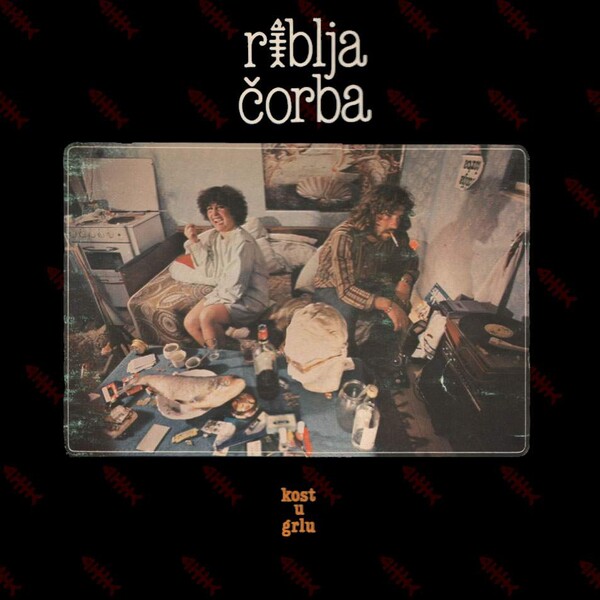
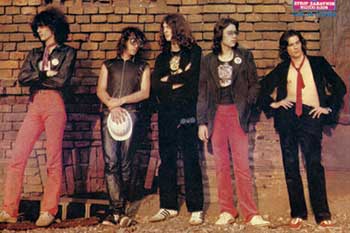
In 1978, Belgrade welcomed a new force in rock: Riblja Čorba. Fronted by the unmistakable nasally voice of Bora Đorđević and powered by Momčilo “Bajaga” Bajagić’s guitar, the band immediately carved out a space for themselves in the Yugoslav music scene. While contemporaries were exploring new wave, punk, and experimental sounds, Riblja Čorba doubled down on straightforward hard rock — gritty, unpretentious, and direct — appealing to listeners who wanted raw energy rather than abstraction.
The debut opens with Rock’n’roll za kućni savet, a fast, punchy anthem which must be played loud enough to irritate your neighbours. It’s a simple concept, but the track immediately establishes the band’s signature sound: driving guitar riffs, pounding rhythms, and Đorđević’s distinctively abrasive vocals. You can hear the influence of earlier regional hard rock, but the band moulds it into something urban, slightly cynical, and in turn, very accessible.
Zvezda Potkrovlja I Suterena keeps the momentum, a hard rock track that almost channels the swagger of Motörhead, with Đorđević playing the role of the gravelly, half-amused pub raconteur. There’s charm in the rough edges, in the sense that this isn’t polished rock looking for critical acclaim, but music that lives and breathes through the city streets.
The slower tracks, like Rasprodaja Bola and Ostani Dubre Do Kraja, reveal a different side. The ballads are earnest, if not particularly groundbreaking, offering moments of introspection amid the high-energy riffs. Đorđević’s vocals, even when slightly grating, carry a narrative weight — the loneliness, heartbreak, or frustration woven into the lyrics is felt, if only in their poetic simplicity.
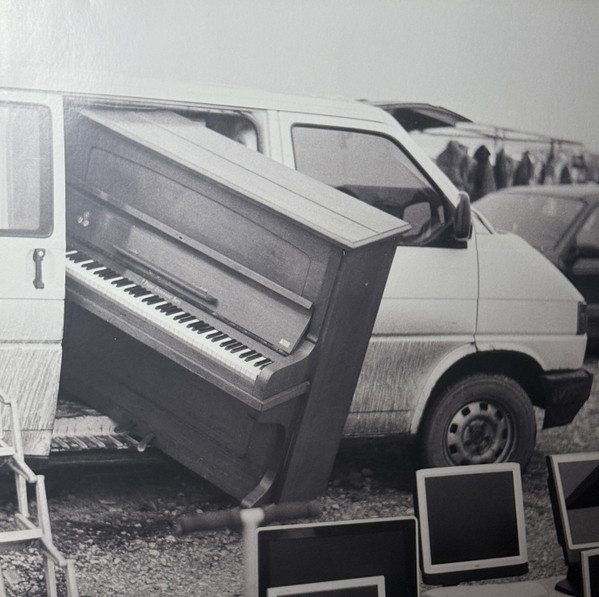
Pozajmla je Pare introduces piano into the mix, adding a layer of texture that contrasts nicely with the guitar-driven tracks. Ja Sam Jos Ona Ista Budala and Egoista lean into the band’s punk-adjacent energy, with riffs that feel immediate and almost playful in their abrasiveness.
Listening to the album today, it’s clear why Riblja Čorba became so popular: the music is intelligible, the riffs are catchy, and the energy is undeniable. Still, compared to contemporaries like Bijelo Dugme or EKV, the band wasn’t innovating — they were perfecting a formula, offering a gritty, hard-hitting alternative to the emerging progressive and experimental scenes.
Ultimately, this debut is a snapshot of a band in full command of their strengths: raw, direct, and full of attitude. It’s not a revolutionary record, but it’s an essential listen for understanding the broader context of Yugoslav rock — the music the mainstream embraced, the soundtrack to city streets, and the launchpad for one of Serbia’s most enduring bands.