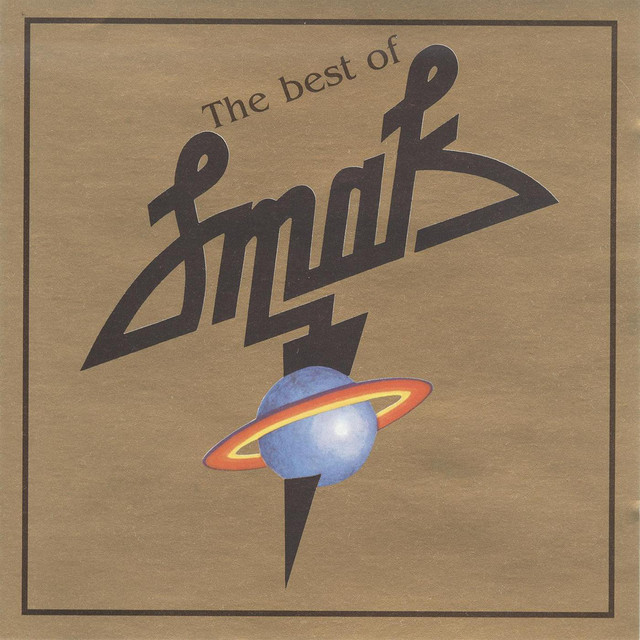
In 1975, the Serbian rock band Smak emerged from Kragujevac with their five-piece self-titled debut — a fusion of blues rock, jazz-rock, and progressive psychedelia that showcased the individual talents of its members.
Led by Radomir “Točak” Mihajlović, one of the most distinctive guitarists to come out of the region, the lineup also featured Laza Ristovski (organ), Slobodan “Kepa” Stojanović (drums), Boris Aranđelović (vocals), and Zoran Milanović (bass). Recorded in Ljubljana and released by ZKP RTLJ, the album finds the band still exploring their identity; it feels experimental and, at times, over-extended, with occasional moments of individual brilliance and spells of misdirection.
The album opens with Perle, a funky blues-and-jazz-rock fusion that immediately sets the rhythmic tone. The interplay between guitar and organ feels playful, even if the vocals are lacklustre. Mračni Mol continues in a similar vein — funk-inflected blues rock with confident drumming and muscular riffs. The energy is there, but the track begins to drag over time with its repetitive structure and strained vocals testing your patience.
Blues u Parku is the clear standout with the band sounding like they’re in their element and all on the same page. Točak’s guitar work is phenomenal — a mix of Jimi Hendrix’s expressiveness and Jimmy Page’s structured power. The organ adds a spacious, almost cinematic atmosphere, and the rhythm section locks everything in place. It’s easily one of the best examples of Yugoslav blues-rock from the era.
Biska 2 feels like a bridge between blues rock and early prog. It’s instrumental and spaced-out — showcasing Ristovski’s keyboard flourishes beautifully. There’s a real sense of mood here — it’s one of the few tracks where the band’s experimentation fully pays off.

Then there’s Put od balona, the 19-minute behemoth that consumes the entire B-side. It starts off promising, even playful, with a folk-like prog instrumental intro that evokes Yes or King Crimson, but without the same sense of structure. After a few listens, it loses its intrigue — what first felt exploratory begins to feel directionless. The sections drift between styles — blues, jazz, prog — without a clear destination. Around the 14-minute mark, there’s a stunning organ passage that cuts through the haze, offering a glimpse of the greatness they’d later achieve, but it’s short-lived. The rest dissolves into a kind of musical tug-of-war, each instrument fighting for dominance.
Smak’s debut is a decent record with flashes of brilliance. You can hear the individual talent — especially from Točak and Ristovski. But the band struggles to fuse these ideas into something coherent. The album’s first half is overshadowed by a second half that feels weighed down by overindulgence and a lack of focus.
Still, Smak is worth revisiting for what it represents: a young Yugoslav band packed with potential and youthful ambition. I still consider this an important listen as it hints at the greatness they’d later reach with more refined releases like Crna Dama (1977).