Hip hop is a genre I’ve approached more cautiously on this site. Notably, the genre map I created is missing hip hop… But the language barrier is real! Especially for a genre that lives through flow, wordplay, cultural references, and hyperlocal storytelling.
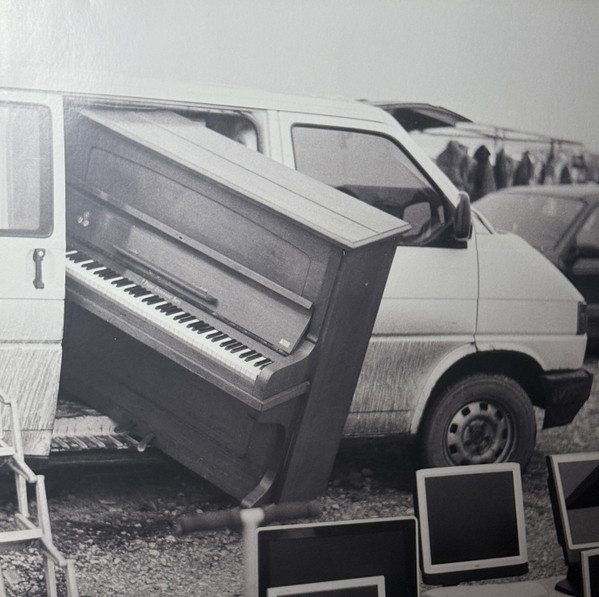
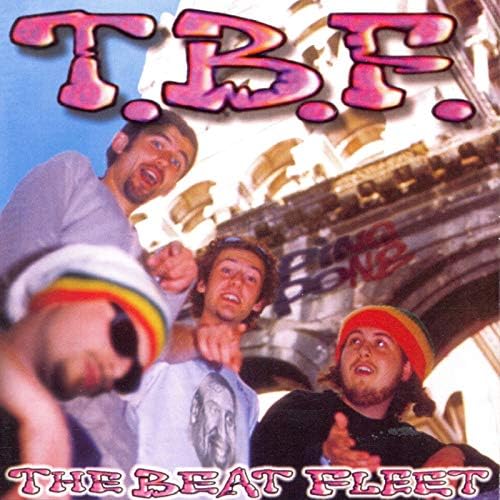
TBF’s Ping-pong has cracked the door open for me. I was already familiar with the group through hit tracks Nostalgična and Uvik Kontra, but their debut LP I’d never heard before.
Released in 1997 on Croatia Records and recorded at Studio 111 in Split, Ping-pong (Umjetnost zdravog đira) is widely considered the first complete hip-hop album in Croatia. Hip hop had been circulating in Croatia since the mid-1980s through foreign magazines and films, and Zagreb had developed a nascent scene through radio shows like the Blackout Rap Show — but no one had delivered a full album before TBF. They burst onto a fragmented scene with dark lyrics and gritty production rooted in life in a newly formed country still scarred by war and an economic recession that had hollowed out Dalmatia in particular.
Production was handled by Dragan Lukić — known as Luky — who joined the group just before recording and whose fingerprints are all over the sound. The three MCs are Aleksandar “Saša” Antić, Luka Barbić, and Mladen Badovinac, and between them they build something that sounds like nothing else I’ve heard from the 90s catalogue.
TBF are from Split, and this album does not attempt to disguise that. Like Zabranjeno Pušenje rooting everything in Sarajevo, TBF plant Ping-pong firmly in Dalmatian soil: stories of growing up in Split, football culture, street life, drugs, family, mentality. Still, whatever you can’t translate, you can still feel in the texture of the delivery and flow.
The production was a surprise for me on first listen. Ping-Pong is far from the later, more commercial, reggae-inflected, crowd-pleasing version of the band. Ping-Pong is darker, more abstract, trippy, and considerably more interesting. Conscious hip hop, turntablism, grimy trip-hop beats, samples that veer between menacing and absurd.
Opener Slobodni Stil kicks off with a hardcore boom-bap style and a deep violin line that gives the whole thing an unexpected harshness — it’s dark and urban in a way that sounds nothing like the sunlit Dalmatian coast it came from. Nedodirljivi follows a similar path, lo-fi and grimy, somewhere between trip-hop and hip hop.
Moj Um Pali was an immediate favourite, featuring six minutes of hazy, dark production that incorporates sampling and turntablism, the beat meandering between The Alchemist and the Bristol trip-hop scene. Over heavy wordplay and clever lyricism sits a sinister piano loop that’s got a hypnotising and menacing Mobb Deep feel to it.
Vuk is claustrophobic, slightly psychedelic, trip-hop with the paranoia dialled up. 3-Logija Jada is the album’s most vivid lyrical moment as they navigate stories of drugs, dealing, and addiction. It’s grim and unflinching, told from the perspective of guys deep inside it.
The humour surfaces too, preventing the record from becoming too oppressive, whilst foreshadowing the crew’s later ventures. Daleko od Zemlje samples the Indiana Jones theme and raps over it with a straight face — absurdist, tongue-in-cheek, a reminder that the same band capable of writing 3-Logija Jada can also find that funny.
Ye’N Dva is the outlier — groovy, funky, more stylish than anything else here, and notably the track where Mladen Badovinac takes the lead. He’s the standout in the crew; every time he opens a track, it immediately lifts, more hype and more immediate than his counterparts, and here given the space to show it properly.
The album closes with ST Stanje Uma — “Split State of Mind,” a deliberate nod to Nas’s N.Y. State of Mind from three years prior. Appropriately, it’s the most consciously literary track here, built around a tamburica with deep, reflective rapping about growing up in Split, the city’s insularity, and the trap of blaming circumstance rather than changing it. It’s a strong note to end on.
Ping-Pong is a record that sounds like nothing else in the EX-YU catalogue. For anyone who thinks Balkan music ends at rock and folk, give this a whirl.