Golemata voda
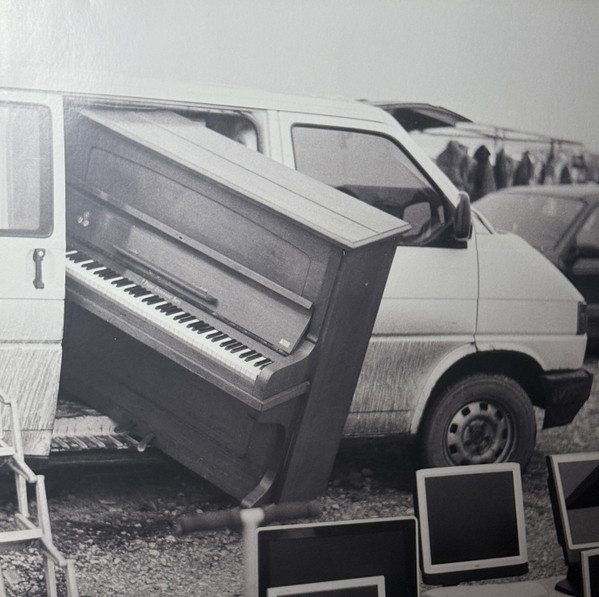
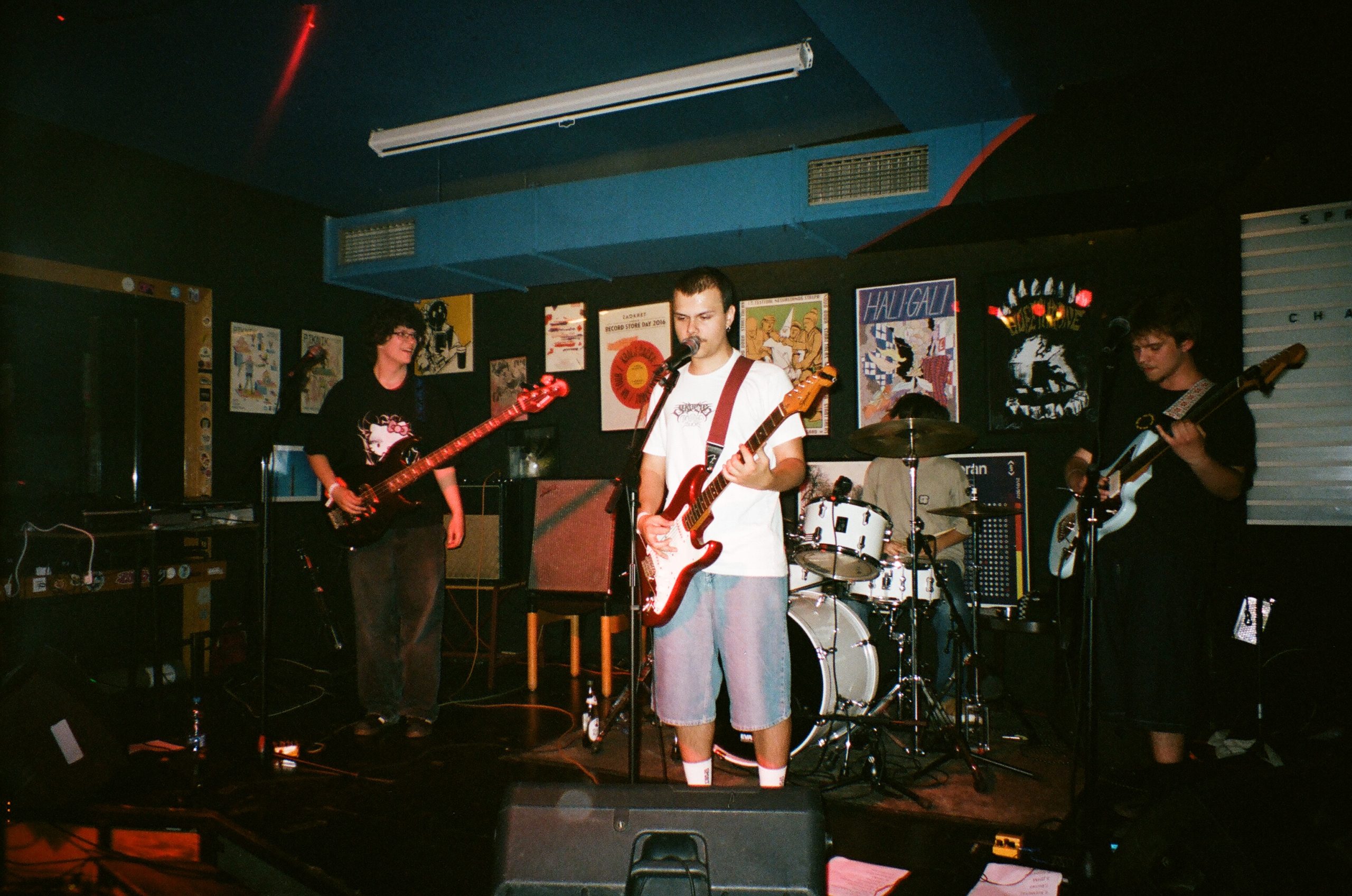
Golemata voda’s debut release has been one of my highlights for 2026; a genre-blending mix of Midwest emo, post-punk, shoegaze, and post-hardcore. Produced by Martin Djorlev and Rade Bikovksi of Lufthansa, and named after Živko Čingo’s novel about orphans seeking freedom in post-war Macedonia, it’s become an essential listen for enjoyers of the emerging Skopje scene.
It was a pleasure catching up with the band who took the time to answer a handful of questions about Skopje, the album itself, influences, and the future.
1. Golemata voda came out earlier this year, and you’ve been getting attention beyond Macedonia, including being featured on English-language sites covering the EX-YU region for the first time. How does it feel to see people outside your local scene enjoying your record?
It honestly feels surreal. We started with the intent of just playing live and putting music out and into the aether of all the released projects, ever. So for us it means a lot; we truly didn’t expect our album to reach such lengths.
2. We featured yourselves, Mallard and Alembic in our mid-year list of the best releases from the region: three different bands from the same city. Do you feel like there’s a genuine scene emerging in Skopje right now, or is it more a coincidence of good individual projects happening at the same time?
Well, the current scene has been active since 2020, but the number of bands has increased significantly. We’re all connected and intertwined with all the other bands. Whether that means just hanging out or making music, inspiring each other, etc. In the early stages of the scene, only Lufthansa and its members’ side projects were the only ones actually active, but we feel like they paved the way and inspired a lot of people to come forth and create.
3. Skopje doesn’t get much coverage in the broader EX-YU music conversation, which tends to focus on Belgrade, Zagreb, and Ljubljana. Do you feel that peripheral position is a disadvantage, or does it give you creative freedom that a more established scene might not?
The focus not being on us is a double-edged sword. On one side, we feel like the creative freedom definitely is a giant advantage. We don’t have people telling us to play this certain genre because the fans enjoy it more. On the other hand, it is a disadvantage because we still aren’t fully established (even if we were, we wouldn’t be the restricting type), but also we’re losing cultural locations and support from our government. Not only are we fighting the struggles of the DIY aspect, but it’s also increasingly harder to find places to perform; for example, our MKC or YCC (Youth Cultural Center), Bookva, and more.
4. How does Gola Planina Kolektiv fit into the picture, featuring bands like Vagina Corporation, Alembic, and others? Is there a sense of community or shared identity between you, or are these just parallel projects happening in the same city?
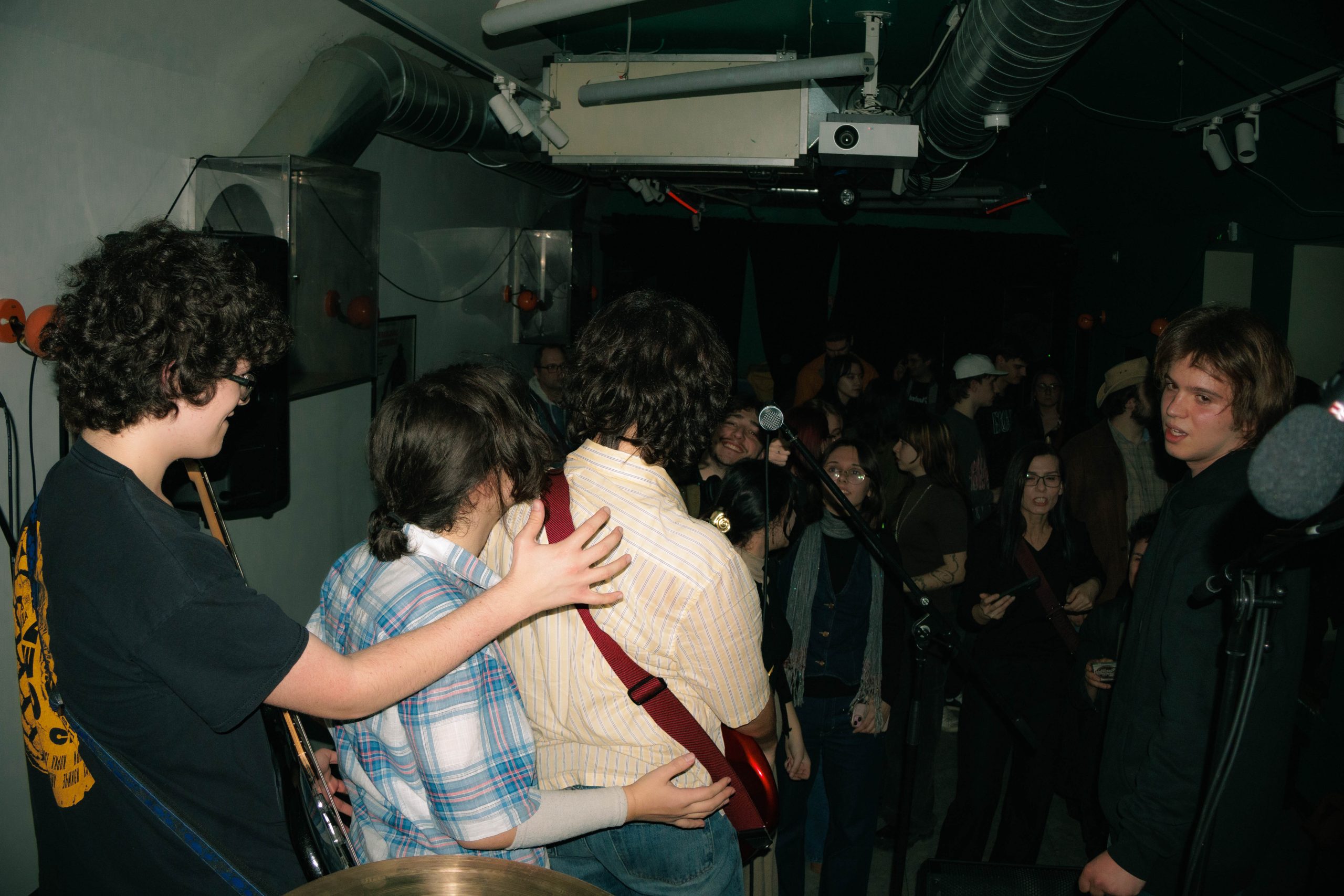
There definitely is a sense of community, and we most certainly share an identity. As we said, we’re all intertwined with each other. All of the people that do managing, booking, or even engineering (a record) are friends and are intertwined with everybody. We all are just one big community that’s trying to pull through what’s being thrown at us.
5. The Lufthansa comparison is relevant when discussing your sound, and obviously Martin Djorlev was involved in the production. How much did that relationship shape the record, and where do you feel Golemata voda goes that Lufthansa doesn’t?
Our relationship definitely shaped the record. Martin Djorlev and Rade Bikovski both helped us resolve a lot of discrepancies in our record and contributed creatively. Martin helped in shaping and creating the tones and breaking down our parts, while Rade (the bassist in Lufthansa) was the man behind the computer, letting us know how far we can push our ideas and how realistic they are; hence why we sound similar to them. We feel like our record leans more into the gritty and immature “teen” vibe compared to their first record, which is definitely more sophisticated but still keeping that somewhat similar grit.
6. There seems to be a strong 90s and 00s influence running through the Skopje underground: Midwest emo, shoegaze, post-rock. Why do you think that particular sound has found such fertile ground there?
We think it’s social media, combined with nostalgia (for some of us), and simply said, the bands that we all take inspiration from. All of us love those genres, plus we have the creative freedom to do what we want. Most of us focus on creating the music we listen to. The same thing goes for the fans; they enjoy the same genres for the same reasons. Without it, we wouldn’t be able to listen to so many bands/projects and even genres.
7. You’ve said the title comes from Živko Čingo’s novel Golemata voda. Can you talk about what the book means to you and why it felt like the right frame for this record?
Well, our name does come from the book; the reason why it’s self-titled is that we couldn’t come up with a name since there wasn’t a well-thought-out concept, but we think it’s gained a meaning in a way. Since we didn’t know what genre to fully focus on, we followed our hearts to create whatever felt most natural while keeping close to our inspirations. We felt creative freedom, and we felt free while performing, which is what the children in the book seek. The book itself means a lot to us because of how well it describes the living environment for orphans after WWII. The children seek freedom, which is symbolized as the Great Water. We also seek to be creatively free, to be idiots on stage if we want to; yet also in a way that we feel satisfaction after being done with a performance or finishing a song. We feel as if we’ve gotten our negative emotions out; we feel free (not fully sure how to explain it :P).
8. Beyond the obvious names, Leb i Sol, Mizar, etc, is there a Macedonian artist or band from any era that you feel is criminally overlooked, even within the region?
We would love to say Xaxaxa or Bernays Propaganda, but we feel like they are well known; and if they aren’t, then that’s who you should listen to. If not, The John are also extremely underrated. These bands from the 2010s inspired most of the early 2020s bands. They laid the foundation for us and many others.
9. What does the rest of 2026 look like for you?
A small tour, recording new songs and music videos. We think our main focus is definitely new music, though.
10. Is there anything about the record or the band that you feel hasn’t been asked about yet? Perhaps something you wish people would pick up on?
We feel like we’ve been asked almost everything. Maybe just us realizing that recording is much harder than making the songs and how much of a tedious process it is. That’s about it.
Where to Find Them
Check out this guide to Skopje’s Emerging Underground if you’d like to dig into the scene further.