
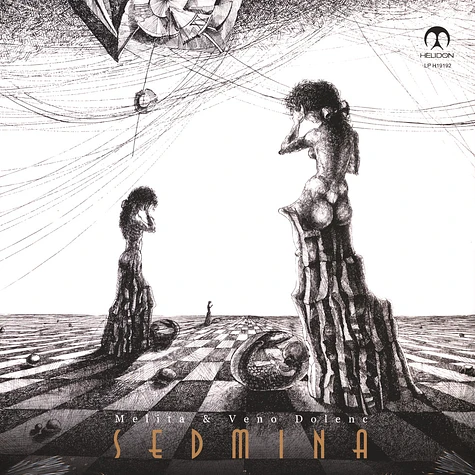
1. Melita I Veno Dolenc – Sedmina
(1980)
Formed in the alpine town of Tržič in 1977, Slovenian duo Melita and Veno Dolenc created something quietly dreamy with their debut album. It’s a poetic folk record that feels timeless and fleeting — the vocal blend between Melita and Veno is effortlessly elegant, the instrumentation understated but lush, and the mood one of warm introspection. Though often referred to as Sedmina, the record’s full title, Melita & Veno Dolenc, foregrounds the couple behind the music — both of whom would go on to have careers in art, music, and theatre after their eventual split.
First released in 1980 and reissued in 2019 by Helidon, the album remains a glowing example of Balkan chamber folk, full of acoustic nuance and quiet emotional power; reminiscent of Nick Drake or Vashti Bunyan in its soft melancholy.
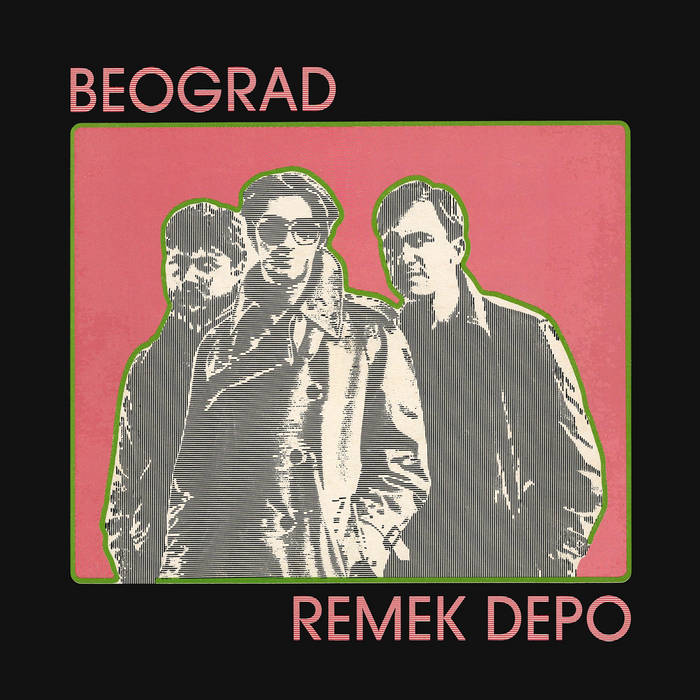
2. Remek Depo – Beograd
(1982)
Beograd formed in 1980, electronic pioneers at a time when the genre was only just finding its footing in the region. Originally, some members were invited to join Električni Orgazam, but instead decided to chart their own course. Remek Depo, their first and only LP at the time, arrived in 1982 and even managed to break into the national top 10 album chart. But the success was short-lived — the band dissolved only months later, leaving this single record as their legacy until their eventual reunion in 2012.
At just over 30 minutes, Remek Depo is a short, sharp statement — playful in places, abstract in others, but always original. Feeling slightly disjointed at times: it’s the sound of a group experimenting with the boundaries of what Ex-YU electronic music could sound like, long before it had a roadmap.
3. Izvir – Izvir
(1978)
Ljubljana in the ‘70s was quietly fertile ground for jazz-rock and prog experimentation, with groups like September, Oko, and Predmestje pushing genre boundaries in smokey basements and student festivals. Izvir, captures that moment perfectly — a confident six-track LP that fuses jazz, funk and progressive rock in one of the tightest and most underrated Yugoslav releases of its kind. Fans of Santana’s Caravanserai will feel at home here, especially in the album’s more cosmic, groove-heavy passages.
In 2024, ZKP RTVS reissued the album in a lovingly remastered edition, a small miracle considering the original LP now goes for north of £200 on Discogs. And while the cover art suggests something occult and menacing, the music is anything but.

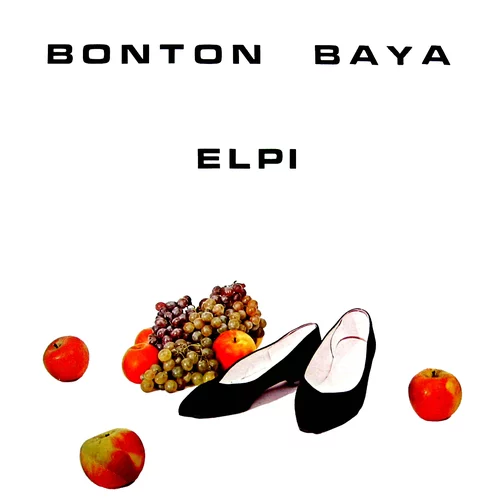
4. Elpi – Bonton Baya
(1982)
Bonton Baya were a different breed of band in early ’80s Sarajevo. While much of the new wave scene across Yugoslavia thrived on raw energy, irony, and experimentation, Bonton Baya carried themselves with an air of intellect — the most “educated” of the lot.
It’s an album that brims with ideas. At times, it crackles with sharp, catchy new wave hooks; at others, it spirals into art rock experimentation that channels Bowie’s theatrics. And like many debuts, it shows both the spark of something fresh and the flaws of a band still figuring out its voice.
5. Andromeda – Miha Kralj
(1980)
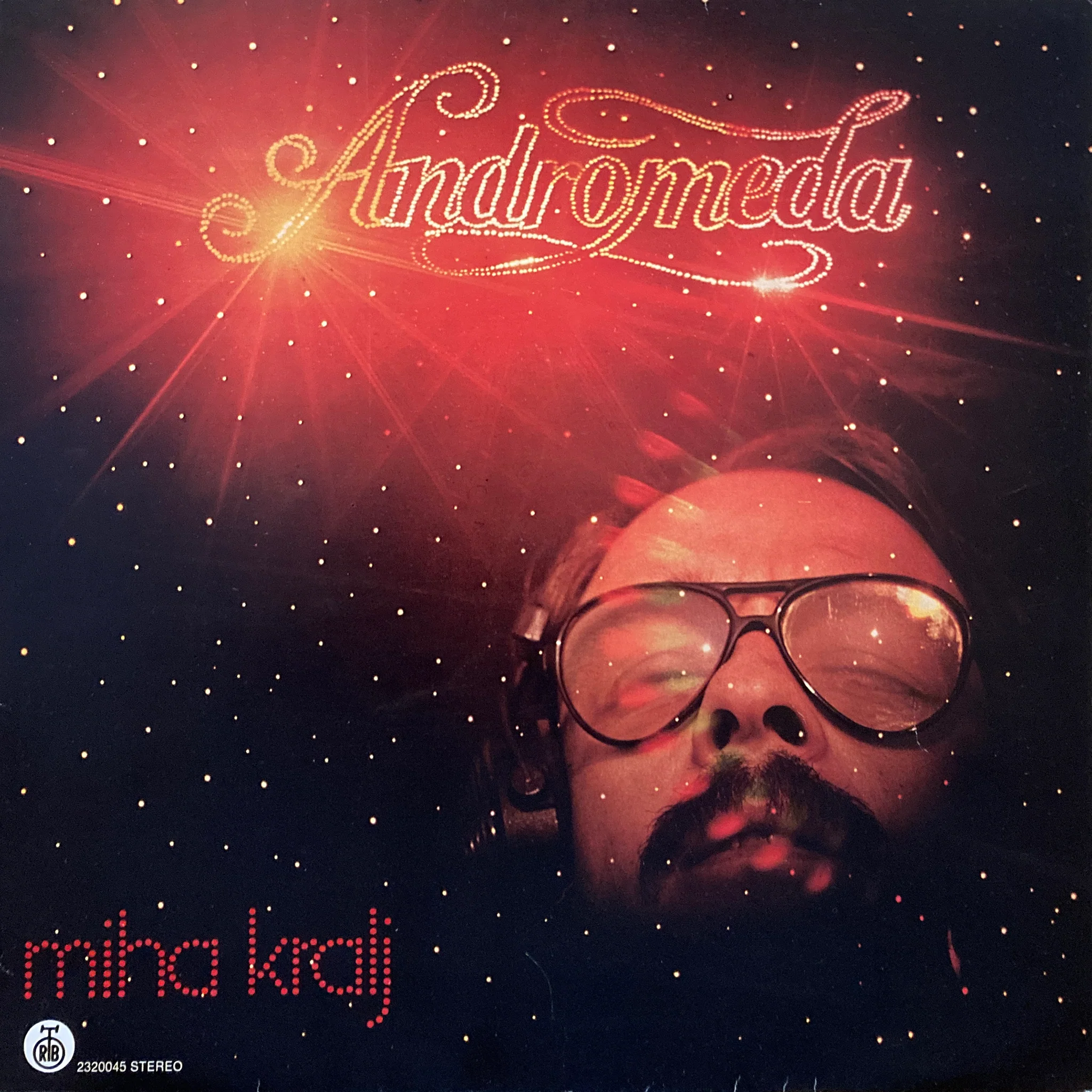
Miha Kralj’s Andromeda was something Yugoslavia had never really heard before. Often dubbed the “Yugoslav Jean-Michel Jarre,” Kralj was a pioneer of synthesiser music in the region, blending new age, ambient, and electronic textures at a time when most of his peers were still grounded in rock, jazz, or folk traditions. He came from a strong musical background — trained in accordion and piano before falling in love with the machines of the future: Moogs, Hammonds, Bauers, Vox. Out of that fascination came Andromeda, the first ambient/new age record in Yugoslavia, a record that sold tens of thousands of copies at home and abroad, reaching listeners as far as Benelux, Sweden, and even the USSR.
6. Hainin – Daliborovo Granje
(2015)
Released quietly in 2020, but with undeniable force, Hainin is the sophomore album by Croatian five-piece Daliborovo Granje – and it feels like a discovery.
Musically, Hainin sits in its own universe. It’s psychedelic rock, yes — but not in the vein of UK freakouts or West Coast haze. This is something else. Rooted in improvisation and long form jams, it blends elements of space rock, stoner rock, and Balkan folk into a dense, often unpredictable sound. It’s Međimurje psych rock, if such a thing exists.

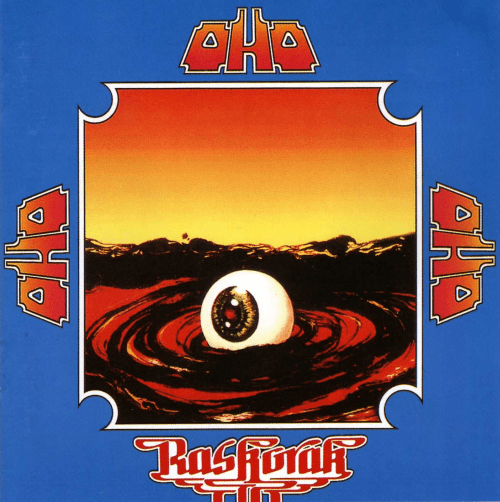
7. Raskorak – Oko
(1976)
As mentioned earlier, by the mid-1970s, Ljubljana’s underground scene had become a quiet playground for adventurous musicians who lived between genres. Jazz-rock outfits like Izvir, Predmestje, and September were fusing improvisation with jazz and progressive rock, searching for something uniquely Yugoslav while remaining globally tuned. Among them was Oko, a short-lived but fascinating project led by guitarist and vocalist Pavle Kavec.
Formed in 1972, Oko embodied this restless spirit — technically skilled and groovy, while adding a psychedelic twist. Their name (“The Eye”), reportedly suggested by Janez Bončina (of September), helped carry that sense of cosmic rock and curiosity. By the time they released their sole LP, Raskorak, in 1976 through Jugoton, the band already felt like an anomaly: too heavy for jazz purists, too abstract for mainstream hard rock. But that niche is exactly what makes Raskorak so compelling today.