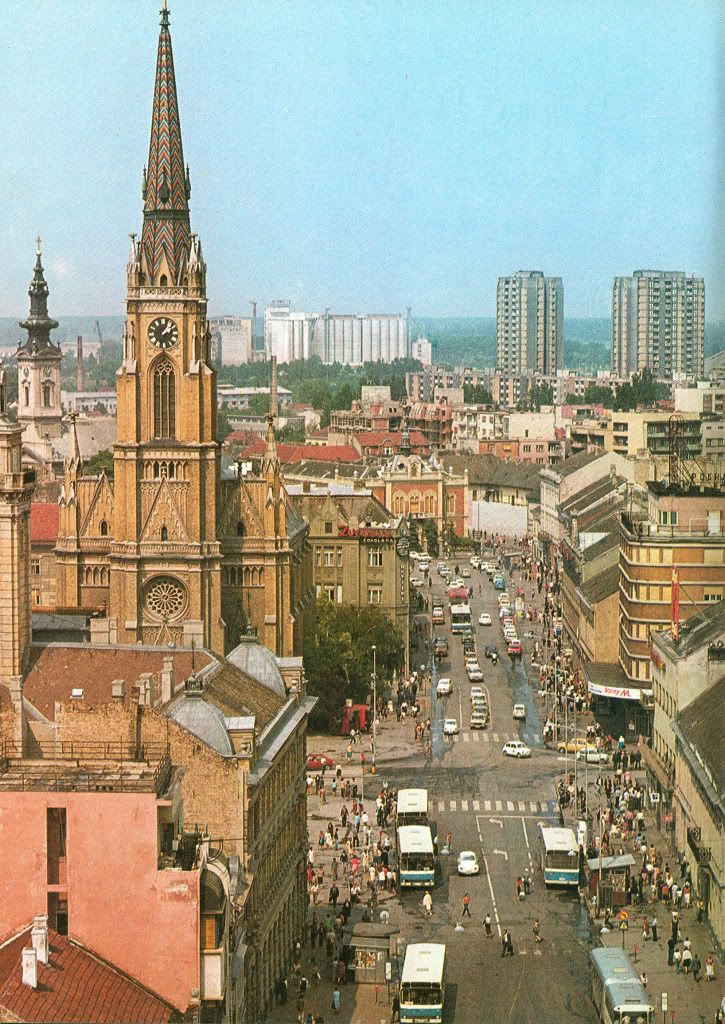
Novi Sad doesn’t get talked about outside the region nearly as much as it should. This is the city that gave Serbia its first-ever punk rock record, and in the decades since, it’s quietly built one of the most eclectic underground scenes anywhere in the former Yugoslavia. We’ve got post-punk, singer-songwriter, hardcore, screamo, ambient electronica, punk rock, avant-garde jazz, even a Brazilian downtempo masterpiece from one of its own sons. Here are the essential records, old and new, that tell that story.
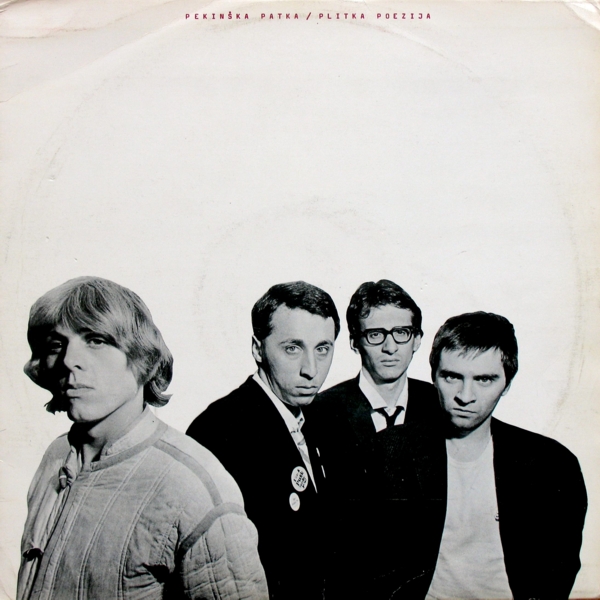
1. Pekinška patka – Plitka poezija
Starting the Novi Sad essentials list, what better record than Plitka poezija — the first punk rock album to come out of Serbia, and Novi Sad more specifically. The band operated in pure punk rock territory with a slight ska tinge, while building a reputation of frenetic, high-energy live shows that caught serious media attention for being the first of their kind in Yugoslavia. They’d go on to play alongside the Sex Pistols at EXIT Festival in 2008 — an extraordinary achievement!
Pekinška patka formed in 1978: vocalist Nebojša Čonkić, guitarist Sreten Kovačević, drummer Laslo Pihler, and bassist Miloš Žurić. Čonkić picked up the punk fanaticism firsthand — he was on an English language course in the UK at the time and got hooked on The Clash, The Specials, Magazine and the other bands touring London. He brought the sound back to Yugoslavia, leading the punk revolution alongside Zagreb’s Prljavo Kazalište. The two would later appear together at the 1979 Subotica Youth Festival where Džuboks writer Branko Vukojević called them “the biggest breath of fresh air” at the time.
Bolje da nosim kratku kosu is the key track here, built around a guitar line that’s instantly recognisable — it’s a real punk rock anthem. Ja sam panker u sakou starom lasts 80 seconds and is about as punk as the record gets (sadly it’s over before you know it), and Kontracepcija brings some genuinely cool and different guitar riffs into the mix. There’s no shortage of catchy vocal lines and choruses either — Biti ružan, pametan i mlad and Gledaj, ja sam svoj both land in that department.
2. Luna – Nestvarne stvari
Luna emerged from Novi Sad’s new wave and post-punk underground in late 1981, forming out of the wreckage of new wave outfit La Strada after internal disputes, with the band name borrowed from Bernardo Bertolucci’s film La Luna. The lineup that made Nestvarne stvari was Zoran Bulatović “Bale” on guitar and composition, Slobodan Tišma on vocals and lyrics, Ivan Fece “Firchie” on drums, and Jasmina Mitrušić “Mina” on keyboards and vocals, who’d stepped in on bass after original member Marinko Vukmanović left to form Primavera.
The record as a whole is dark, urban and gothic — closer in spirit to Joy Division’s Closer than anything else in this vein. It’s a real masterpiece, and a darker, more gothic one than Tišma’s later self-titled record under a reformed La Strada, which leans more post-punk and comes out lighter in nature by comparison.
Rock magazine named it the seventh-best album of 1984, and journalist Petar Luković called Luna “probably the most mature Novi Sad band,” with the record now widely regarded as one of the finest releases of the former Yugoslav rock scene.
3. Đorđe Balašević – Pub
After leaving Rani Mraz and stepping out on his own, Đorđe Balašević released Pub, his 1982 solo debut, which feels less like a traditional pop rock record and more like a half hour spent at the pub (or kafana) with a wise old fellow — one who never runs out of tales to tell. The songs swing between the lighthearted and the heartrending, while remaining grounded and unmistakably Balkan.
The opener, Ilona, sets the tone. A warm, mellow groove, led by easy-going guitars (courtesy of producer and Korni Grupa guitarist Josip Boček), it feels like a sunset drive with a whiff of JJ Cale or even early Beatles here — smooth and timeless.
Of course, Boža Zvani Pub is the centrepiece — the most well-known track on the album and possibly Balašević’s most iconic character sketch. It tells the story of a legendary gambler nicknamed Pub. The storytelling is sharp, the rhythm infectious, and the refrain unforgettable.
Pub marks a cornerstone where Balašević plants his flag as not only a musician, but a narrator, poet, and voice that can turn laughter into bittersweet longing. The album flows effortlessly between genres — folk, pop rock, chanson — but it’s all held together by that unmistakable voice.
4. Suba – São Paulo Confessions
São Paulo Confessions is a one-hour journey through warm alleys, neon light, crowded clubs, and quiet dawns. A mix of downtempo, samba, bossa nova, and electronic experimentation, it’s unlike anything else of its era. While Europe was deep into trip-hop and electronica, Suba was fusing Brazilian rhythms with futuristic textures, creating something both deeply local and strikingly global. The album is best enjoyed at night — while walking the city, sitting in a bar, or people-watching through a rainy window.
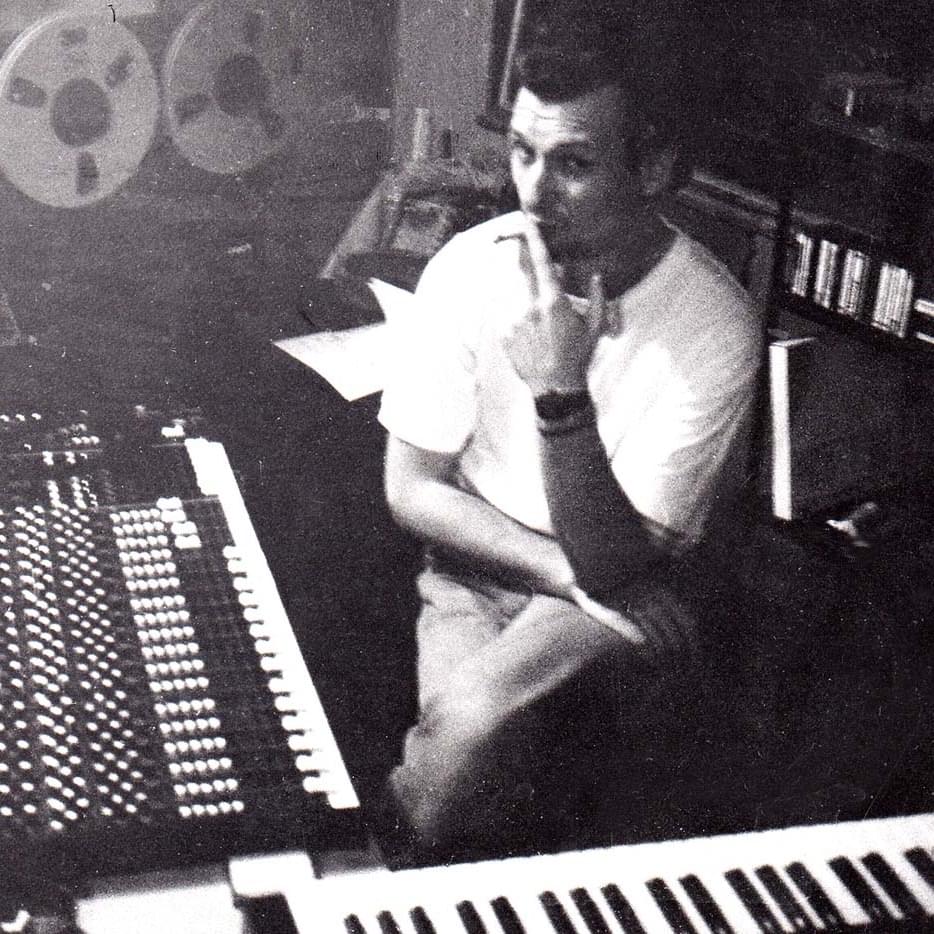
You might ask yourself: why is a Brazilian record on an Ex-YU music page? And you’d be right to say it was produced in Brazil, but Suba, real name Mitar Subotic, originated from Novi Sad, where he helped define the ‘80s regional scene. You can read the whole story, Balkans to Brazil, here!
What makes São Paulo Confessions so special is the atmosphere Suba creates. The record sounds and feels like São Paulo. You can hear the rain and traffic, the late-night laughter, the melancholy, the contradictions of a vast and chaotic city. And at the centre of it all is Suba in the recording studio, a Serbian artist who found his voice thousands of miles from home, fusing two worlds into several seamless confessions.
5. Atheist Rap – Maori i Crni Gonzales
Classic punk rock riffs combined with elements of ska and slower alternative rock. Released in 1994, Maori i Crni Gonzales is another example of Novi Sad’s fantastic punk rock roster. The tracks are anthemic, satirical and full of energy. Wartburg Limuzina is the obvious standout classic! There’s also a nice reference to Pekinška patka’s debut with the final track on the album titled Plitka poezija…
6. Luka Beatović – BLATO
Recently, I’ve started appreciating ambient and electroacoustic music a lot more. And so, it made sense that when I was exploring modern releases from Novi Sad, this experimental electronic release from Luka stood out to me.
Luka describes his intention: “to make sense of it all and to, with my work, honor the complex of old messed up socialist block buildings I grew up in.”
Released in 2021, the textures are distorted and glitchy, sometimes even claustrophobic, accompanied by a droning background. BLATO represents a great fusion of modern glitch with traditional ambient, providing us with a unique urban soundscape.
7. Reflections of Internal Rain – Last Flood
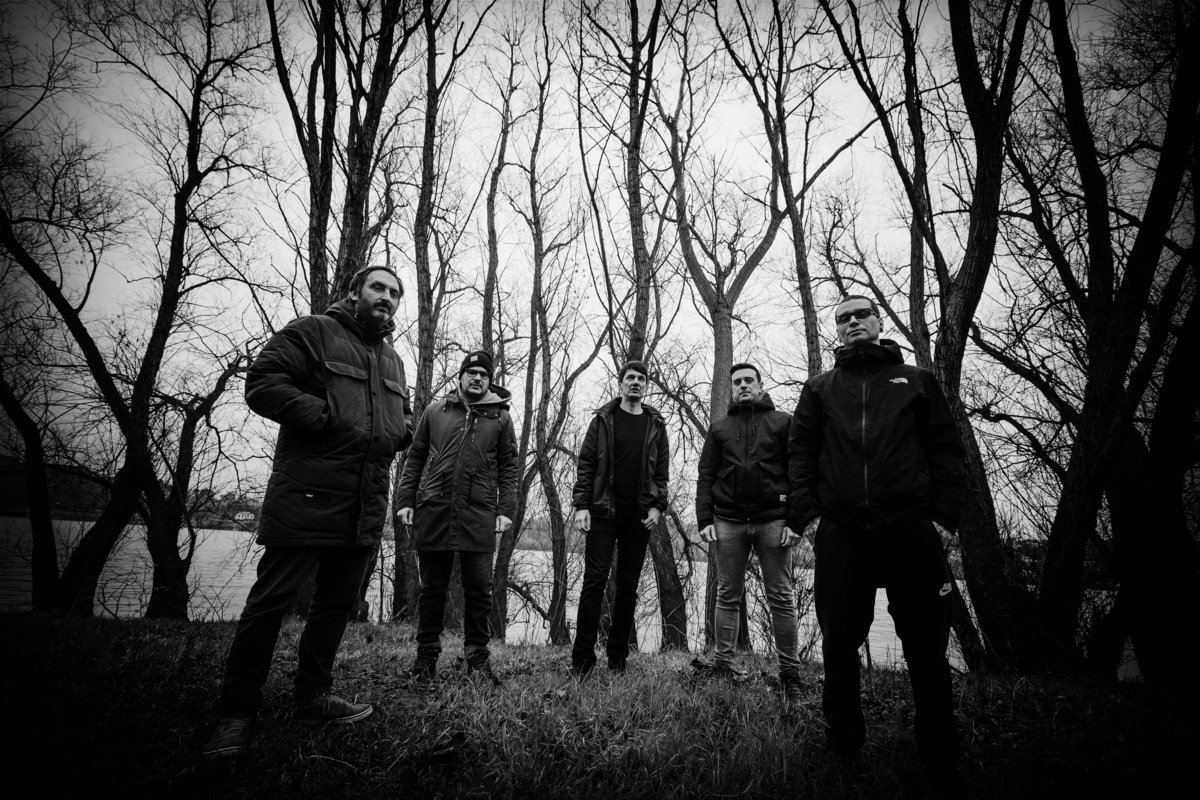
This record was recommended to me by fellow music writer, artist and hardcore fan Filip Stojilković. He labelled them as a staple in the Novi Sad hardcore scene for several years now, and it’s easy to see why. The Intro hits heavy right off the bat with hard riffs and tight drumming.
The record has a slight metal influence, with some of the tracks sounding heavy and more sludgy than the usual intense and sharp hardcore sound. Still, the vocals are intense and pair really well with the riffs and drumming, and that’s immediately obvious on Resurrection, which is an absolute banger!
Sunset of the End is also a great track, by the way… The progressive buildup draws you in to its intensity before you’re met by snarling emo vocals that knock you six feet back. Highly recommend!
8. Kontraritam – Kontraritam
Kontraritam’s self-titled debut and sole record is a combination of new wave, pop rock and ska. Formed in 1980, the band was short-lived, ending in 1983. One notable member was Sreten Kovačević, formerly of Pekinška patka, playing saxophone, which he only took up playing a few months before joining the band.
You might also start to notice how influential Pekinška patka was, acting as inspiration for a lot of music on this list.
9. Obojeni program – Najvažnije je biti zdrav
Obojeni program pioneered the transformation from new wave and post-punk into alternative rock in Novi Sad — apparently you can even form their hometown by taking the first letter from each of their first seven releases!
Najvažnije je biti zdrav is slightly lighter than some of the punk and hardcore releases on the list, but it still holds a raw, garage, DIY feel to it — something not far off Partibrejkers, perhaps with slightly less punk blues energy and more of a 90s alt rock spine.
The opener Štipaljka is the highlight for me; the band then descend into a sound somewhat reminiscent of The Fall (given vocalist Babić’s unique voice), which sounds strange, but when you learn that Disciplina kičme and Sarlo Akrobata bassist Koja produced the record, its experimental and artistic punk nature makes a lot more sense. O, da li? sounds like it should be a Sarlo Akrobata track…
10. Shadowdream – The Sunsettler’s Motel
I’m a big fan of giving different music a go; I think a list of essential albums from a city would be dull if we focused on its punk rock nature, much like how focusing on Novi Val in the wider Yugoslavia can also get pretty boring pretty quickly.
Shadowdream spices things up with a mysteriously unsettling concept album titled The Sunsettler’s Motel. Also known as Nocturnal, Rastko Perišić seems to also work within the black metal sphere, but here, he trades that in to create some dark ambient jazz.
The Sunsettler’s Theme is creepy but also warm and intriguing, kind of like a murder mystery — you can’t stop listening, but something doesn’t feel right. Released in 2016, the tracks work within an ominous electronic atmosphere, backed by some tight jazzy drumming.
Towards the end of the record, we get The Obsession Begins Tomorrow, which is melancholic or Pink Panther-esque, if a little more gloomy. It’s nocturnal film noir, with a hint of menace and mischief.
11. Boris Kovač – Ritual Nova 2
Boris Kovač is a composer and multi-instrumentalist from Novi Sad, self-taught on a wide range of instruments. Initially, he formed the jazz group Meta Sekcija, before progressing to avant-folk, avant-garde jazz and chamber music. The record I chose to include is his 1989 release, Ritual Nova 2, a progressive avant-folk record, not too dissimilar from one of my modern regional favourites, Sirom.
All Under the Celestial Cap is beautiful, but also slightly haunting in a way, or perhaps unsettling is a better word. It feels ritualistic in its progression, particularly with the combination of the stringed instruments and the jumpy, almost nervous piano playing.
The later tracks incorporate a vast range of styles and influences that are particularly hard to describe in genres, with elements of traditional singing and chanting, tribal ambient and post-minimalism.
But his combining of traditional Balkan folk with contemporary sounds is genius, the tracks are hypnotic, and it’s impossible to turn away.

12. La Strada – La Strada
La Strada occupies a curious space in the Yugoslav new wave story. Formed by poet and musician Slobodan Tišma, the band existed in multiple incarnations throughout the early 1980s, dissolving and reforming through projects like Luna before finally releasing their self-titled debut in 1987.
Produced by Mitar Subotić, the record sits firmly within the darker, more introspective branch of Yugoslav post-punk. Where Belgrade bands often leaned toward energy and confrontation, Novi Sad cultivated atmosphere. La Strada is built on that distinction: sparse arrangements, icy synths, and a persistent sense of distance.
The opening stretch — Mlad i radostan, Došla su tako neka vremena, Neautentični sneg — establishes the album’s core identity. Basslines are repetitive and hypnotic, drums remain tight and restrained, while Tišma’s deep, resonant vocals drift somewhere between narration and lament. The comparisons to Joy Division are unavoidable; they hold a similar emotional vocabulary expressed through a different cultural context.
13. idiedthisfebruary – These Fading Years
idiedthisfebruary are a modern screamo/emoviolence crew, with These Fading Years being their debut and only release from back in 2024. The group seem to have clear anime influences, judging from the cover and the sample on track six.
You Raise Your Arm, I Turn Away acts as a progressive introduction to the record with slower drumming and melodic singing, but it doesn’t last long before we’re swept into shrieking chaos. The album isn’t very long at just over 17 minutes; still, it packs a lasting blow, and nothing represents that more than the abrasive Get in the Fucking Robot, which is downright hectic.
Nothing, however, might be my favourite track here. I enjoy the combination of slower, melodic riffs with the intense screamo sections. They complement each other nicely; swing too far one way and the track is either too intense or too soft in its delivery.
14. Boye – Dosta! Dosta! Dosta!
Dosta! Dosta! Dosta! is another record that’s hard to describe. The first track is an absolute classic with its chanting and garage rock/indie rock guitar riffs, mixed in with some turntablism. It has a real 90s feel to it, even though it was released in the late 80s.
(Gde) Mozemo se sresti is a melancholic indie rock ballad, incorporating some post-punk elements; Si is slightly new wave in spirit with some added special effects, and Ja hocu te is more on the playful and chugging garage rock side of things.
There’s a real assortment of fun tracks here.
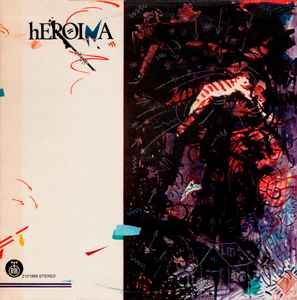
15. Heroina – Heroina
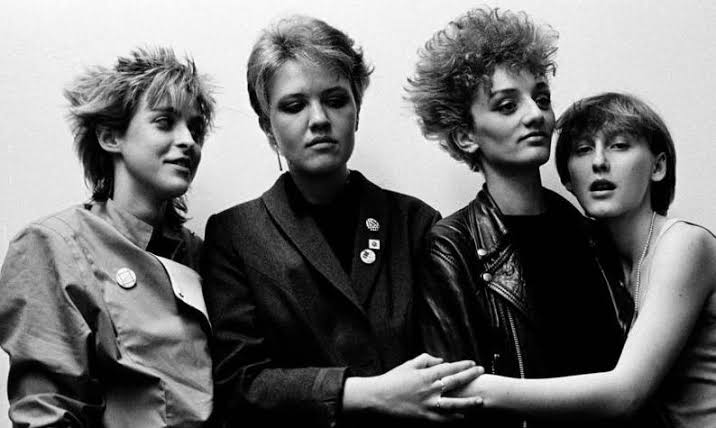
Heroina’s self-titled 1985 debut has become something of a cult classic in Novi Sad circles, and not just for the music — it was pressed only once, and with barely 40 people marking it as owned on Discogs today, copies now fetch upwards of €100.
Part of the wider Novi Sad post-punk scene, the band itself doesn’t seem to have left much of a trail beyond this record; some members went on to play with fellow Serbian groups Oktobar 1864 and Laboratorija Zvuka, but there’s little else connecting them outward. What they left behind, though, is a genuinely excellent record. Funky new wave with real Talking Heads energy, full of angular bass lines and awkward, funny, anxious vocals that are theatrical and groovy.
Honourable mentions: Rani Mraz, Griva, Laboratorija zvuka, Ritam nereda, Annathema
Want to keep exploring? Every album on this list, plus hundreds more from across the region, is browsable in the archive; our discovery tool for Balkan music. Start here!