Vigan Nimani
I discovered Vigan Nimani through Tetris and their Recording Sessions 2009–2019. While digging on Discogs for records from Kosovo for our Prishtina series, the album cover drew me in, and its experimental electronic sound kept me listening.
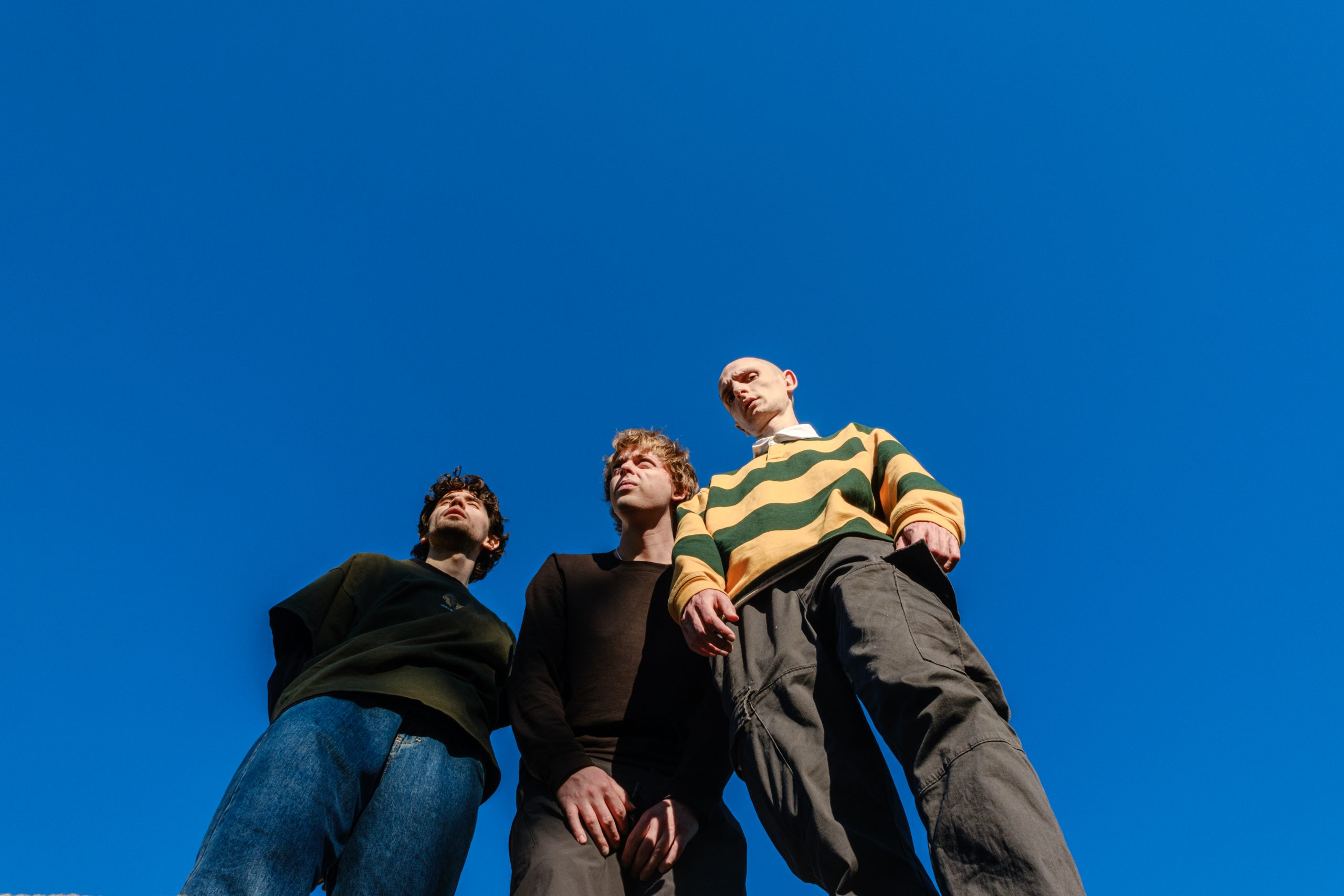
The record collects ten years of live, improvised recordings from Tetris, a Kosovo art collective built around Vigan, Edmond Krasniqi, Burim Gora, Bujar Sylejmani, Arif Muharremi and Dritëro Nikqi, plus a rotating cast of guests. Recorded at weekend jam sessions between friends who were painters and artists first, the music ranges from IDM and ambient to a kind of space electronic in the vein of Miha Kralj. It’s a really cool listen if you enjoy the outer realms of electronic music.
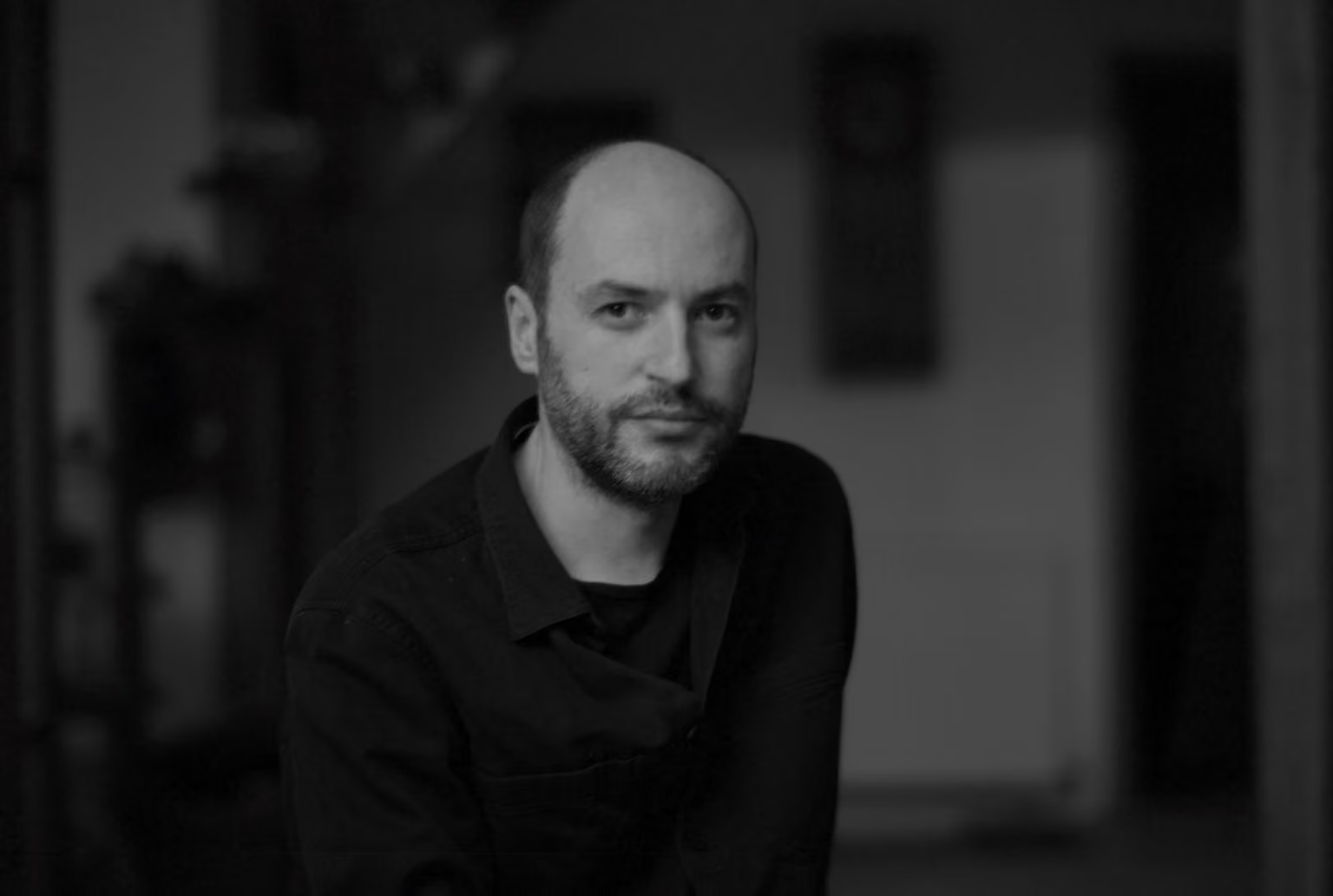
Born in Prishtina in 1981, Vigan is a visual artist, musician and cultural worker. Since 2010, he has painted and photographed Kosovo’s disappearing modernist architecture, and he co-initiated the Kino ARMATA foundation, which turned a former Yugoslav Army cinema into a cultural space. His solo album, Sleeping Prophets (2025), was recorded during the 2020 lockdown on a Casio CZ-5000 and field recordings.
We spoke to Vigan about Tetris, Kino ARMATA, Sleeping Prophets, and why he thinks Prishtina’s live band culture is fading.
1. How did you first get into music, and how did you find your way into Prishtina’s scene?
I first got into music during my early days at the university where I was actually studying painting. My classmates and I used to hang out and jam, but we didn’t have any formal training, we were all self-taught. We spent a lot of time just experimenting with different types of music, electronics, noise, and singing. Over the next five or six years, I really focused on learning the notes and diving deeper into synthesis. Eventually, we formed a band called Tetris with about five or six of us, and we started playing concerts. That is how we slowly found our way into the Pristina music scene. We were autodidacts, but everything we built came from our shared love for music.
2. Kino ARMATA has such a layered history — built as part of the Yugoslav Army complex with its own cinema, later occupied by UN and EU administration for years, and now hosting international programming like Manifesta 14. What’s it like working inside a space carrying all of that?
Working in Kino ARMATA feels like walking through a physical timeline of Kosovo’s modern history. You can still feel the presence of its past from its roots as an army complex. But the real magic is the contrast of what it is today. To watch a space that was locked away for such a long time and now has become a host for alternative music and films is incredibly rewarding. It feels like the building is finally doing what it was meant to do, serving the people of Prishtina.
3. How would you describe ARMATA’s role in Prishtina’s cultural life today — is the focus mainly music, or is blurring into film, visual art, and other disciplines part of the intention?
Today, Kino ARMATA operates as a multidisciplinary space, but our core focus is mainly on film-related projects. Alongside cinema, a major part of what we do involves hosting a wide variety of other cultural events, such as festivals, educational seminars, and public talks. While film and dialogue take centre stage right now, we still occasionally host music events as well. The intention is to keep the space dynamic, serving as a hub for different cultural communities to meet and share ideas.
4. I’d love to hear more about Tetris and the Recording Sessions. How did the project come together, and what’s the story behind bringing together sessions spanning 2009 to 2019?
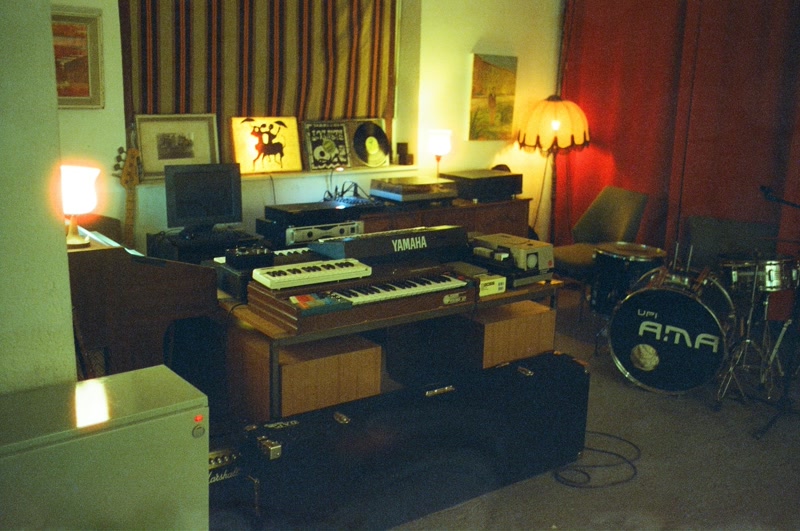
Tetris started out as a collective of friends, painters and artists who would gather to jam every weekend. Every single time we met up, we made a point to record the sessions. Over the course of ten years, we experimented with a lot of different genres; the sound always depended on the moment, the mood, and exactly which musicians were in the room playing together. After a decade of doing this, I decided it was time to go through all that material, gather the sessions, and press them onto vinyl. It was important to me that this era, and the music we made, was properly documented and preserved.
5. Since 2010, you’ve been photographing Kosovo’s modernist architecture as it disappears — something labelled as an “aesthetic gesture of resistance” against erasure. Do you see anything similar happening with the region’s music history? Are records fading or being forgotten the same way the buildings have?
It is a very good question, and I do believe that a lot has been lost to erasure, but perhaps in a slightly different way. When it comes to music, what is disappearing is the culture of live, raw performance and the use of physical instruments. Today, most people rely heavily on computers, making electronic music or hip-hop entirely inside digital software. Because of this shift, rock ‘n’ roll and live band culture have pretty much died out here. There are very few active new bands left; I am not saying there are absolutely none, but there has definitely been a visible decline recently. Just like the architecture, that raw, tangible era of music-making is fading away as modern methods take over.
6. What does Prishtina’s experimental/improvised music scene look like today? Who else should we be paying attention to?
I don’t feel very connected to the older music. The 2000s bands, like the ones I mentioned earlier, have influenced us all, I’d say.
7. Do you feel a throughline between the current scene and Kosovo’s earlier rock/new-wave history with bands like Gjurmët or Lindja? Or does it feel more like a distinct lineage to you?
I do think there is a sense of continuity from the 80s bands you mentioned to the music being made right now. There is definitely a linkage there, even if it is difficult to pin down the exact details but I think the main difference is the sonic landscape. Today, electronic music, rap, and pop are much more dominant than the live alternative and new-wave styles by bands like Gjurmët and Lindja. So while the musical genres have completely changed, that independent, creative thread is still being carried forward in a different way
8. You released Sleeping Prophets in 2025 — a solo album recorded back in 2020 using just a Casio CZ-5000 and field recordings. What made you decide to put it out now, five years later? And what’s next for you and ARMATA — anything else coming up you’d like people to know about?
I recorded Sleeping Prophets back in 2020 during the pandemic when everything had completely stopped. It was a very quiet, isolated time, and the music reflected that atmosphere. I decided to wait five years to release it because I wanted the material to mature and settle. Putting it out in 2025 gave it the right distance from the time it was made. As for what is next, I am focused on my personal work with painting and music, and I am continuously painting new pieces. I am not working at Kino ARMATA anymore but ARMATA is moving ahead with our regular program, consistently bringing film, workshops, and alternative cultural events to people.
Where to Find Them
For more on Kosovo, read our guide to Prishtina’s music.