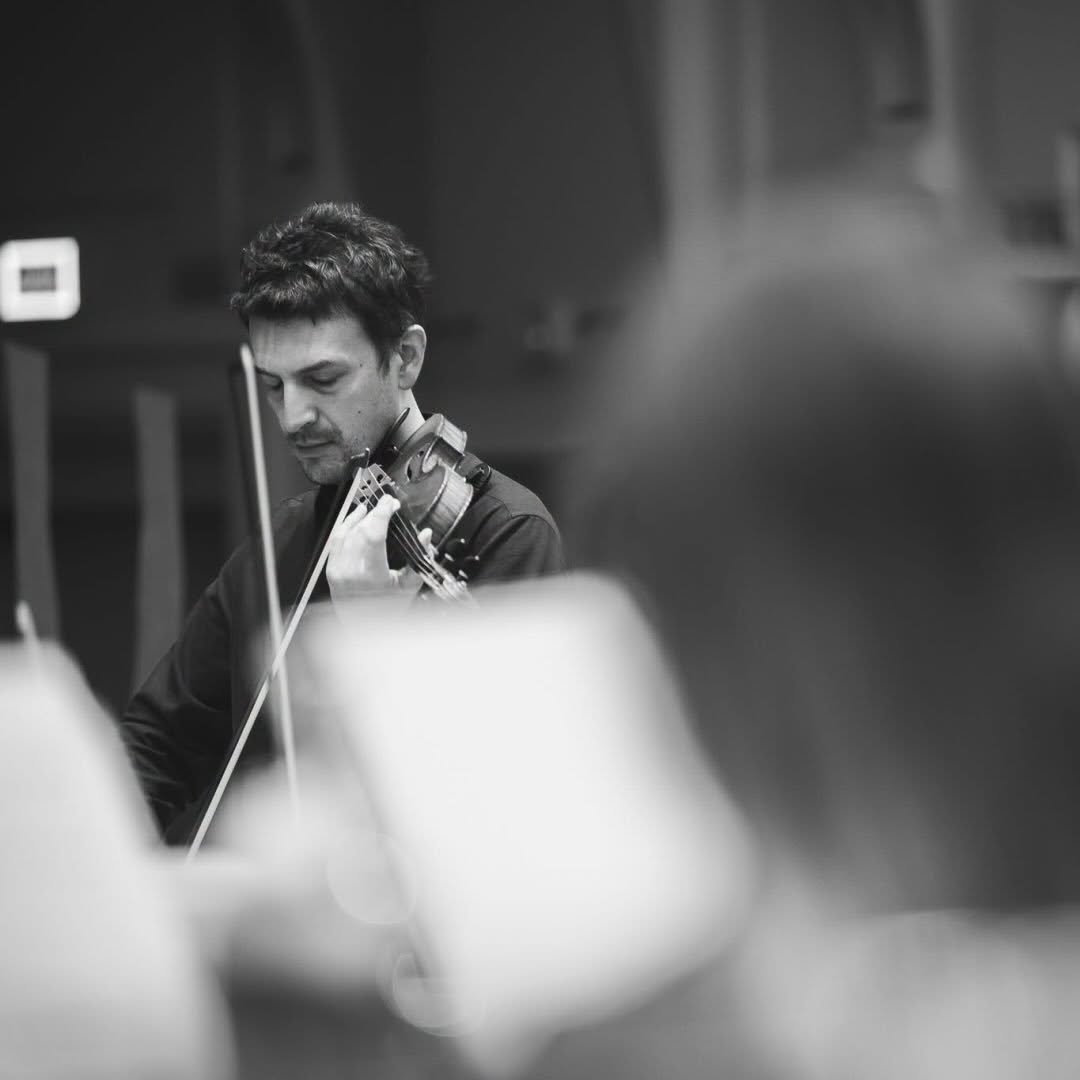
Visar Kuçi
Visar Kuçi has spent twenty years moving between Kosovo’s musical worlds. In the 2000s, he played on two albums with alternative band Por-nó and co-produced Gillespie’s debut, and today he plays with the Kosovo Philharmonic and leads his own jazz trio, whose 2020 album Departures still carries traces of that atmospheric rock past. He’s also behind the Prishtina Jazz Catz, a monthly jam session at the cultural hub Defy Them where the city’s musicians meet, play and swap ideas.
We caught up with Visar to talk about Prishtina’s 2000s alternative scene, how Kosovo’s jazz scene got to where it is today, who’s worth watching right now, and where to go if you’re visiting the city.
EX-YU Music on Departures
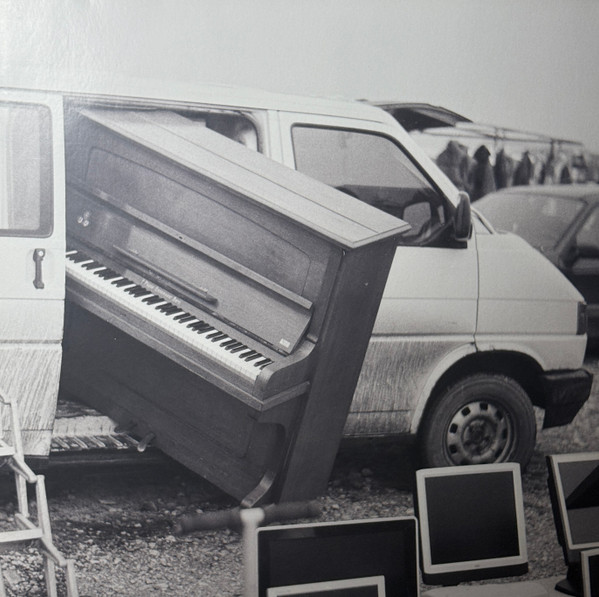
Released in December 2020, Departures finds Kuçi on guitar alongside Enver Muhamedi on double bass and Enes Bajramliqi on drums and tupan, the traditional Balkan bass drum. It’s a jazz record, but there are remnants of Por-nó and the 2000s Albanian rock scene in here. Kuçi’s guitar is warm, comforting and at times tense. The title track is the one to start with.
1. You move between the Kosovo Philharmonic, your jazz trio, and rock bands like Por-nó and Gillespie. What does working across all those worlds let you see about Kosovo’s music?
Since childhood, I’ve seen music as a broad and versatile language that lets me express myself in ways that would be impossible otherwise, so I’ve done a lot of different genres and crossover projects with theatre, museums, films and more.
For the last few years, my main activities have been the Kosovo Philharmonic; Prishtina’s newly formed city chamber orchestra, OPR “Orkestra Prishtina”; my jazz trio, where I mainly play original music; and the Prishtina Jazz Catz monthly jam session series, which I founded together with the cultural hub Defy Them.
I was part of the alternative band Por-nó from 2003 to 2006 and played on two of their studio albums, and with Gillespie I co-produced their first album and helped with their live sound.
Having been active in Kosovo’s music and arts scene since 2006, I’ve witnessed a lot of progress and change, from the technical side to the artistic and promotional.
2. Take us back to Prishtina in the 2000s, when Por-nó and Gillespie were active. What was the scene like, and which bands, venues, or people made it happen?
Back in the 2000s, there were a few alternative bands that were active and very special for the time: Cute Babulja, Retrovizorja, Por-nó, Gillespie, Hummus, Kthjellu, Jericho, The Freelancers, The Glasses and a few more. Some of them don’t exist today, but most of them influenced the development of the music quite a lot.
The main venues for concerts and gigs were the Oda Theatre and ZanziJazzBar, plus a few other places that unfortunately don’t exist anymore.
3. What’s the jazz scene in Kosovo like today, and how did it get to where it is?
Thanks to a few important individuals and great musicians like Ilir Bajri, Nesim Maxhuni, Armend Xhaferi, Rona Nishliu and others, Kosovo today has three jazz festivals: Prishtina Jazz Fest, Mitrovica Jazz Days and Peja Jazz.
There’s also the Prishtina Jazz Catz jam session series, every first Tuesday of the month. The first part is treated like a concert, with a special guest joined by local musicians (a different line-up every month) or a band, and after that the session opens up for musicians to join on stage.
4. Who’s doing exciting things in Kosovo’s music right now, and where do you see the scene heading?
The cultural hub Defy Them is definitely one of the important venues, a kind of “home” to new growth where new bands are constantly being born.
Of course, musicians like Ilir Bajri, producer Florent Boshnjaku, singer-songwriter Genc Salihu, bands like Por-nó, guitarist and composer Armend Xhaferi-Xhafa, drummer Nesim Maxhuni and many more are contributing in different ways and with different projects. For me, one of the most special bands from Kosovo lately is The Milksnatchers.
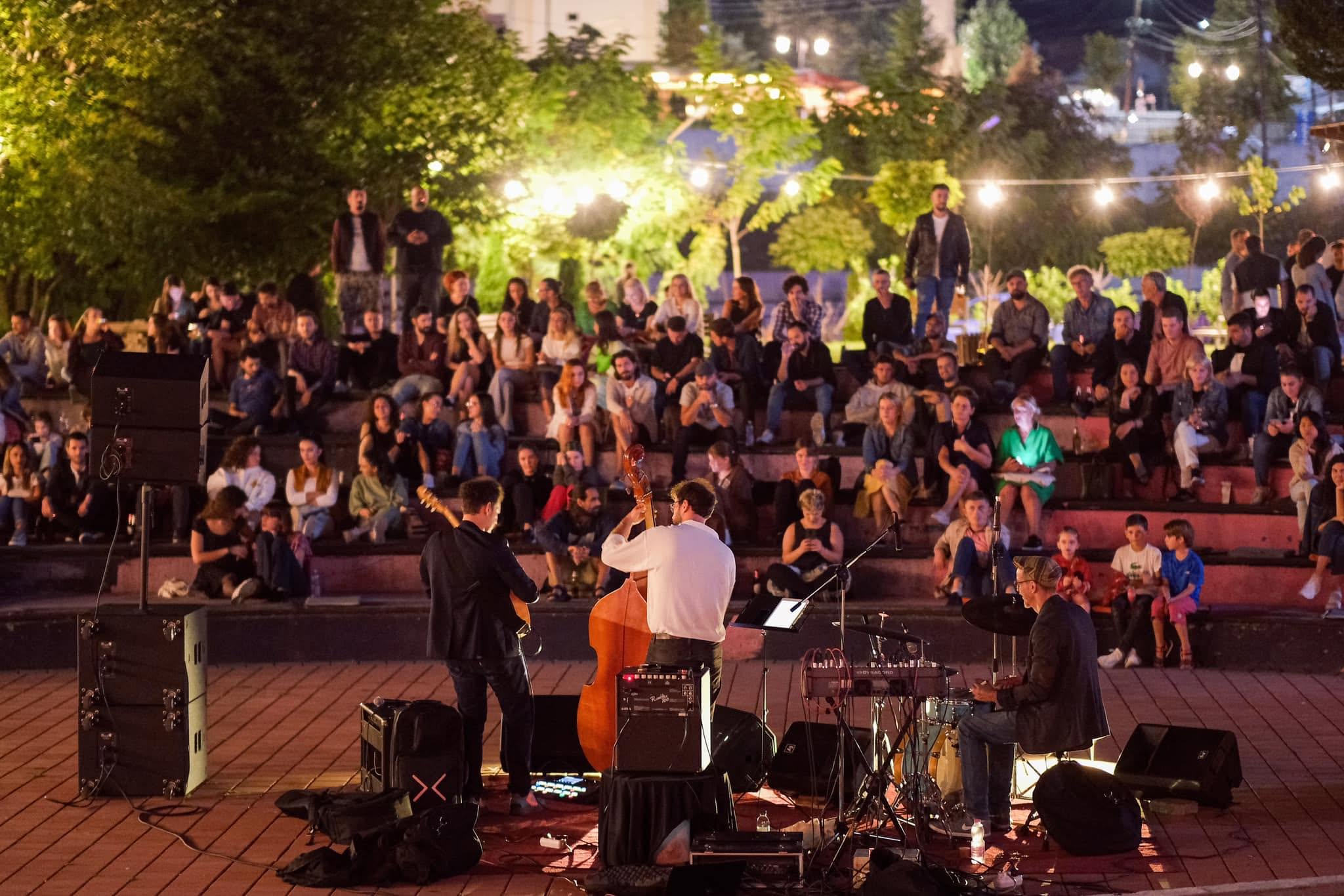
5. If someone visited Prishtina tomorrow and wanted a taste of the music scene, where should they go?
Venues: Defy Them, Kino Armata, Oda Theatre
Bars: Zanzi Bar, Soma, Retroverse
Festivals: Sunny Hill, Prishtina Jazz Fest, Erdhlezeti Festival
Record shops: Tillt Radio/Vinyl Bar, Soma Book Station
Food: Metro, Papirun, Babaghanoush, 7 Sundays, Tiffany’s
Coffee: Espresso Lab, Pristine Pour, Sonder
6. If someone abroad wanted to understand Kosovo’s music, which five records would you hand them?
(with added notes)
- Muharrem Qena – Kolazh
- exyumusic: collection of posthumous folk tracks featuring notable track Ma Lehtë Pa Lotë
- Gjurmët – Gjurmët
- exyumusic: read our review of the album that laid the foundations for the 1980s new wave scene in Kosovo
- Cute Babulja – Cute Babulja
- exyumusic: strange, abstract singer/songwriter driven by rock, folk and jazz, with hints of cabaret. Think Tom Waits by way of Prishtina.
- The Milksnatchers – Pulse and Pebbles
- exyumusic: a four-track EP of post-punk crossed with art rock, with English vocals somewhere near Ian Curtis. We’re hoping for a full album soon.
- Taulant Mehmeti – Song to My Brother
- exyumusic: Balkan jazz from a Kosovo guitarist now on the New York scene, mentored by Armend Xhaferi, mentioned above.
7. What are you working on next, with the trio or anything else?
I’m currently working on many different projects, including a lot of classical music, but at the same time I’m preparing and writing the music for the new Visar Kuçi Trio album.
Where to Find Them
Thanks to Visar for his time. For more, read our guide to Prishtina’s music.