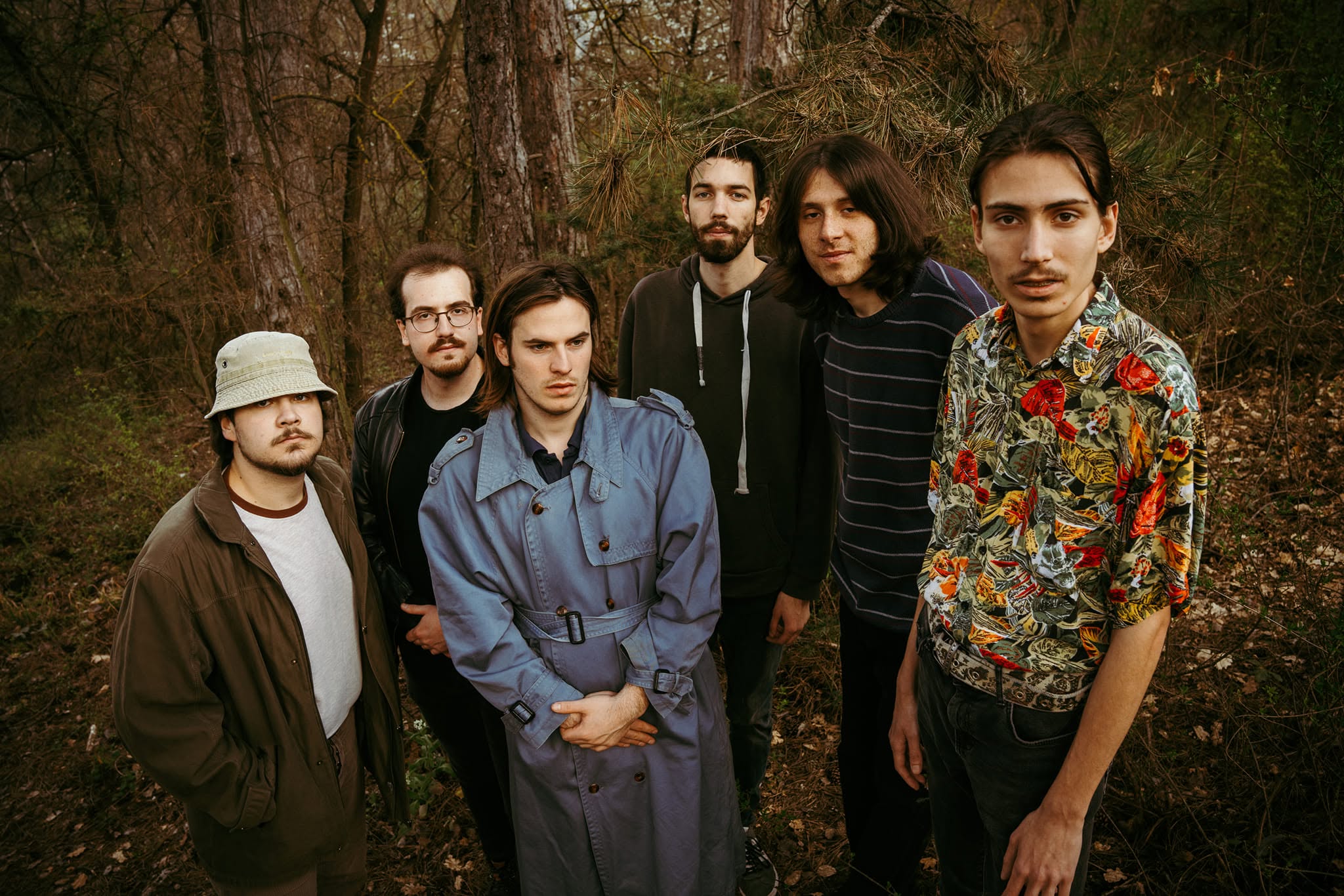
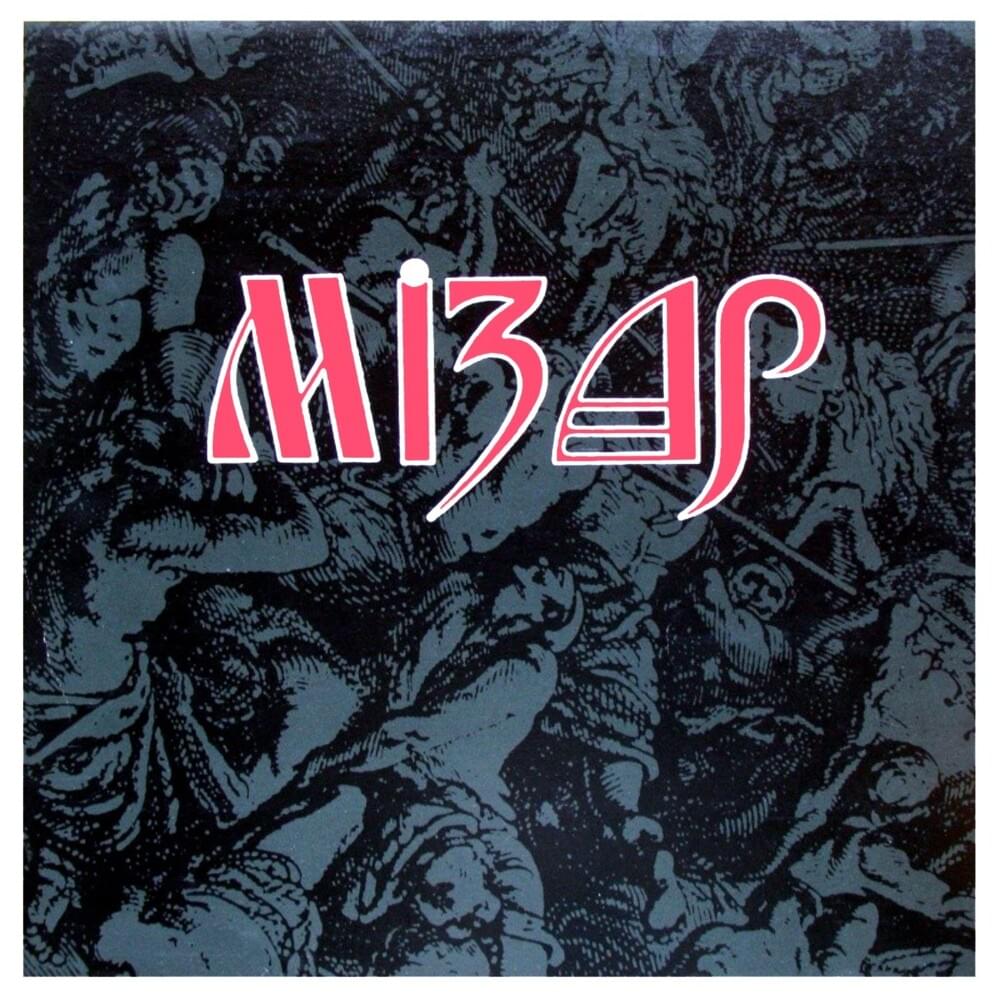
We’re constantly raving about the new wave of bands coming out of Skopje right now, but we haven’t really dived into the musical heritage from the 80s and 90s that paved the way for bands like Lufthansa and Golemata Voda. A great start would be Mizar’s self-titled album from 1988: a goth rock and darkwave classic, and the first popular music album in the former Yugoslavia sung in Macedonian. A record that combined several unique musical styles, from a band whose Christian leanings and support for Macedonian self-determination meant they were viewed with a degree of suspicion by the authorities.
Mizar formed in Skopje in 1981, but broke up when the members left for mandatory army service, regrouping in 1985 with Goran Tanevski on vocals. That’s when they started blending Macedonian folk and Byzantine music with post-punk, darkwave and gothic rock. In 1986, they supported Laibach and Disciplina Kičme on their Yugoslav tour, and two years later they released this debut on the Slovenian label Helidon, produced by Goran Lisica-Fox. It became one of the most popular rock records in Macedonia, and nowadays the original vinyl is a collector’s piece: rare and high in price online.
It’s dark and atmospheric, full of synths combined with a post-punk edge, and the vocals are delivered with that goth rock sense of detachment you hear in Ian Curtis or Robert Smith. Devojka od bronza (‘Girl made of bronze’), the first track on the record and the most well-known, encapsulates that: we get this shimmering, ethereal introduction built around the synths, before the deep baritone of Goran Tanevski comes in. There’s a real interplay between big crescendos and quieter sections.
Doždot continues the post-punk style with tight drumming. It’s slow but builds into a nice chorus, similar to Sisters of Mercy, though the vocals are less stylish and more deep and dramatic. Magla, the third track, is the real hit for me and the one that worked its way into my head and stayed there for several months. The vocals are again the highlight: awkward, anxiety-inducing and theatrical. But the chorus here is super catchy. And ‘fog’ is a great name for the track because it has that grey, industrial feel to it.
Stoj takes things in a completely different direction; it was also the band’s first music video, filmed back in 1986. A tense, jarring industrial style starts to take shape as the chaos builds into a crescendo before synths take over. Given they’d toured with Laibach two years earlier, it’s hard not to hear a bit of that influence here. It’s very avant-garde and unsettling; probably not something I’d return to outside of experiencing the album in its entirety.
Gradot e nem brings us to the flip side of the record, with more focus on mood and progression. It has an ethereal quality too, and the vocals are almost calming and heavenly. At this point, it’s worth mentioning the band’s Christian leanings, which heavily influenced their music, right down to Tanevski’s vocals, which draw on church chant. Hoden že and Istekuvam are where that influence really takes shape, as we get Byzantine chants wrapped in Macedonian folk and gothic rock. It’s very different to the rest of the record, and to anything else I’ve heard from the scene. Hoden že clearly meant a lot to the band, too: they re-recorded it in 2010 with the Byzantine choir Harmosini.
Zlatno sonce (‘Golden sun’) closes the album: a cover of the Macedonian folk song Zajdi, zajdi. But that oversimplifies it, because it’s drenched in goth rock and post-punk, really similar in sound to early The Cure in their goth era. It’s a sparse and bleak ending.
Mizar’s debut is a great record. It’s highly significant in the Macedonian and wider Yugoslav rock lineage, but it’s also entirely unique in the way it combines darkwave, goth rock and Byzantine chant. It can be abrasive at times, almost difficult to listen to, but that’s part of what makes it rewarding: it challenges the listener in a way few records do. If you love what Lufthansa or Golemata voda are doing today, this is a great place to trace that dark Skopje thread back to.
Rate or review the album on the archive!