
Introduction
In the early 1980s, Novi Sad quietly developed one of the most intriguing underground music scenes in Yugoslavia. Bands like Pekinška Patka, Luna, La Strada, Heroina, Boye, and Obojeni Program forged a darker and more introspective strain of post-punk that stood apart from the brighter pop sensibilities emerging from Zagreb and the politically charged rock scenes of Belgrade.
Behind many of these recordings stood a quiet figure rarely seen on stage: Mitar Subotić — better known as Suba.
A keyboardist, producer, and sonic experimenter, Suba helped shape the atmosphere of Novi Sad’s underground before eventually reinventing himself thousands of miles away in São Paulo, where he would produce one of the most remarkable Brazilian electronic albums of the 1990s.
I first encountered Suba through one of the tools I use to discover new music: the 1001 Albums Generator, which selects a random record each day from Ben Dinnery’s book 1001 Albums You Must Hear Before You Die. On day 101, it presented me with an album called São Paulo Confessions. The dark cover art and evocative title immediately caught my attention. After listening and reading more about the record, I realised I had stumbled onto something unexpected: the artist behind it originally came from Novi Sad.
Suba remains one of the most fascinating and quietly influential figures to emerge from the former Yugoslavia. While many remember the frontmen of the Yugoslav new wave era — figures like Milan Mladenović, Darko Rundek, or Goran Bregović — Suba occupied a different role. He was not a public icon, but a producer who shaped sound, atmosphere, and identity from behind the scenes.
Producers are often the invisible architects of music scenes. Through studio experimentation, arrangement ideas, and sonic aesthetics, they help define how a generation of bands actually sound, and in Novi Sad during the 1980s, Suba played exactly that role.
Novi Sad: The Other Capital of Punk
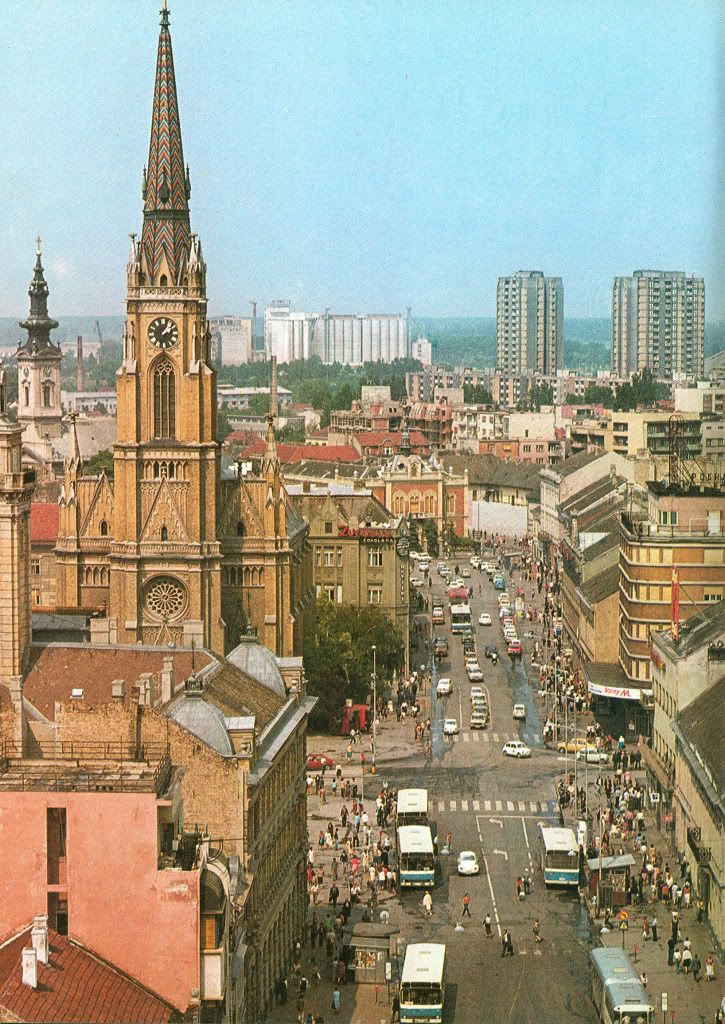
In the late 1970s and early 1980s, Novi Sad developed a reputation as Yugoslavia’s “second punk city” after Belgrade (and perhaps Rijeka). Bands such as Pekinška Patka, Luna, La Strada, Heroina, Boye, and Obojeni Program helped forge a darker and more introspective strain of post-punk.
Compared to the brighter pop sensibilities of Zagreb’s new wave or the politically charged rock emerging from Belgrade, Novi Sad’s sound often leaned toward colder textures. The music frequently felt nocturnal and introspective, with emphasis on mood and emotional intensity. Minor-key guitar lines, sparse arrangements, and icy synthesisers created an atmosphere closer to British post-punk groups like Joy Division, Depeche Mode, and The Cure.
What made the Novi Sad scene particularly distinctive was its connection to conceptual art circles that had been developing in the city since the 1970s. Many musicians were also poets, visual artists, or filmmakers. Slobodan Tišma, later associated with Luna and La Strada, was as involved in literature and film as he was in music. The boundaries between rock band, art collective, and performance project often blurred.
Institutions such as Radio Novi Sad and student cultural spaces like Tribina Mladih provided the infrastructure that allowed these artists to experiment. Small venues, DIY recordings, and a network of local publications and fanzines helped sustain a creative community that thrived slightly outside the mainstream Yugoslav rock industry.
Within this environment Suba began his musical career as a keyboardist in short-lived bands 99% and XX vek. When the latter disbanded in 1982, he began moving toward solo experimentation and studio work, already fascinated by synthesisers, electronic textures, and the possibilities of recording technology.
Rex Ilusivii and the Art of Illusion
Between 1982 and 1986, mysterious graffiti began appearing across Novi Sad:
“Rex Ilusivii is beautiful.”
“Rex Ilusivii is smart.”
At the same time, anonymous recordings began appearing at the reception desk of Radio Novi Sad addressed to DJ Dragan Gojković, known as Goja, the host of cult radio shows dedicated to alternative Yugoslav music.
Intrigued by the strange recordings, Gojković began broadcasting them on air — even though nobody knew who had made them, and for nearly a year, the identity of the artist remained a mystery.
Behind the alias Rex Ilusivii was Suba himself — composer, arranger, keyboardist, and producer. In many ways the project functioned like an early form of guerrilla art marketing, creating intrigue and myth around a completely unknown artist.
The recordings would later be released as the album Disillusioned!, bringing together collaborators such as Milan Mladenović, Margita Stefanović, Marina Perazić, and Massimo Savić.
The music fused post-punk melancholy with electronic experimentation and even elements of Orthodox liturgical music. One notable track, Zla kob, combines swirling synths with choral textures, creating a haunting and immersive sound that felt radically different from most Yugoslav rock of the time.
The project hinted at a direction that many Novi Sad bands would later explore: darker atmospheres, heavier use of synthesisers, and a fascination with mood.
Producing the Sound of a Scene
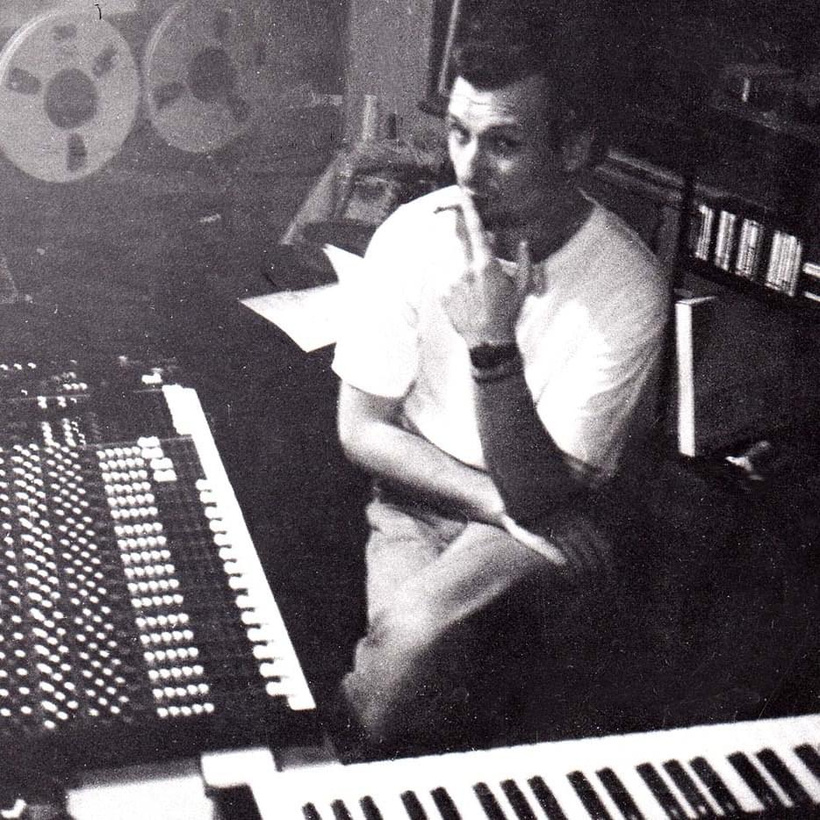
By the mid-1980s Suba had begun producing records for a range of bands connected to the Novi Sad and wider Yugoslav alternative scene.
One of his most notable production credits came in 1985 with Bolero by Haustor. Often considered the band’s most ambitious album, Bolero expanded Haustor’s reggae-influenced sound into something more cinematic and internationally minded, blending brass arrangements, atmospheric production, and world-music influences.
That same year he produced the self-titled debut by Heroina — a haunting art-rock record that has since become a cult favourite.
What distinguished Suba as a producer was his sensitivity to texture and space. Rather than pushing bands toward louder or more polished rock arrangements, he often emphasised openness within recordings. Synthesisers were used as environmental layers, surrounding guitars and vocals with subtle electronic tones. Percussion was allowed to breathe in the mix, and arrangements often felt spacious and cinematic.
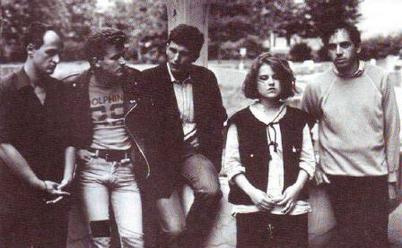
Suba’s influence also extended across several other Novi Sad projects. When La Strada released their self-titled album in 1987, also produced by Suba, it continued the city’s signature darkwave aesthetic: minimal guitar lines, melancholy melodies, and introspective lyrics floating over sparse, cold arrangements.
Through these productions Suba helped shape the sonic identity of a generation of bands.
Beyond Yugoslavia: Paris and Electroacoustic Vision
Suba’s interest in electronic composition eventually took him beyond Yugoslavia. In 1985 he travelled to Paris to study at IRCAM, the renowned institute for acoustic and electronic music research.
There he collaborated with the Serbian conceptual artist Goran Vejvoda on two experimental projects: The Dreambird and In The Moon Cage.
The Dreambird blended recordings of Madagascan birds with Serbian lullabies and ambient electronic textures. Field recordings were layered with traditional melodies, synthesisers, and subtle electronic manipulation, creating a dreamlike sonic environment that felt both ancient and futuristic.
In The Moon Cage pushed further into experimental territory, combining atmospheric synths with fragmented melodies of Balkan folk and abstract vocal elements resembling ancient incantations. This collection of tapes led to Suba being awarded the UNESCO International Fund for Promotion of Culture, enabling him to later start his influential career as a producer in Brazil.
Together these projects marked an important turning point in Suba’s artistic development. They revealed a musician increasingly interested not only in producing rock bands, but in exploring sound itself as a medium. Still, a lot of his early projects have remained mostly uncharted and unrecognised until this day.
São Paulo: Reinvention and Masterpiece
In March 1990 Suba arrived in São Paulo.
At the time the city was experiencing a wave of musical experimentation, with artists blending traditional Brazilian rhythms with modern electronic production. For a producer fascinated by rhythm, texture, and atmosphere, it proved to be fertile ground.
Suba gradually embedded himself in the local scene, developing a reputation for spacious and immersive production. Brazilian musicians responded enthusiastically to his approach, and he soon became a respected figure within São Paulo’s studio culture. Locals affectionately nicknamed him “Gringo Paulista”.
In 1994 he reunited with Milan Mladenović for the album Angel’s Breath, recorded in Brazil during the turbulent years following the breakup of Yugoslavia. The project brought together musicians from different cultural backgrounds, including percussionist João Parahyba and guitarist Fabio Golfetti.
Five years later Suba released his defining work: São Paulo Confessions.
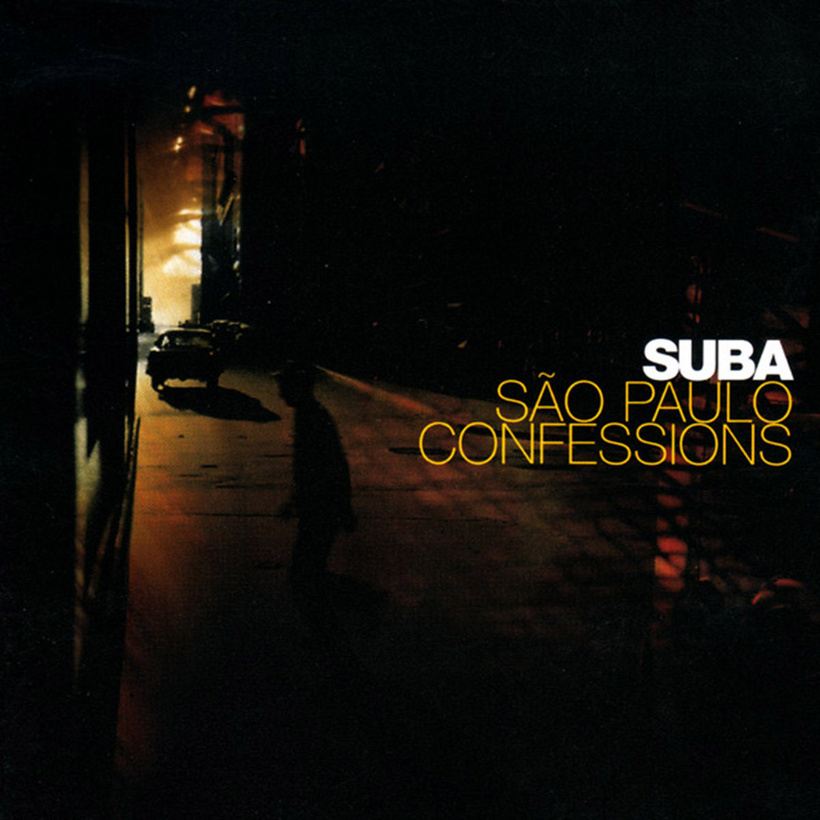
The album unfolds like a nocturnal portrait of the city itself. Downtempo electronic rhythms intertwine with samba percussion, bossa nova melodies, and intimate vocal performances. Subtle layers of synthesizers create a cinematic sense of movement, giving the music the feeling of drifting through São Paulo’s night streets.
Over time the album became a cult classic within Brazilian electronic music and is often cited as an early bridge between traditional Brazilian styles and downtempo electronic production.
Around the same time Suba also contributed to the production of Tanto Tempo by Bebel Gilberto, another landmark recording that helped popularise the fusion of bossa nova and contemporary electronic music.
Tragically, shortly after the release of São Paulo Confessions in 1999, Suba died in a fire at his studio in São Paulo, cutting short a creative period in which he seemed poised to reach even greater artistic heights.
Legacy of a Restless Architect
From Novi Sad’s post-punk underground to São Paulo’s electronic renaissance, Suba embodied artistic migration and reinvention. Though he rarely stood in the spotlight, his fingerprints can be found across some of the most intriguing records of both the Yugoslav 1980s underground and Brazil’s electronic music movement.
Suba represents something increasingly rare: a producer who shaped entire scenes without chasing recognition. Behind many of Novi Sad’s hidden gems stood the quiet illusive king who understood that music could travel further than borders ever could.
From the mysterious recordings of Rex Ilusivii to the nocturnal landscapes of São Paulo Confessions, Suba’s work continues to echo across two continents.
His legacy continues through the Suba Foundation, which preserves his recordings and promotes his work.
Sources
https://akademija.uns.ac.rs/pf/vodic-kroz-pank-kulturu-u-novom-sadu/ https://ahogonsindustrialguide.blogspot.com/2014/03/the-diversity-of-diversity-traditions.html#iii_othernovi_sad_scene_of_the_1980s
https://mitarsuboticgoranvejvoda.bandcamp.com/album/the-dreambird