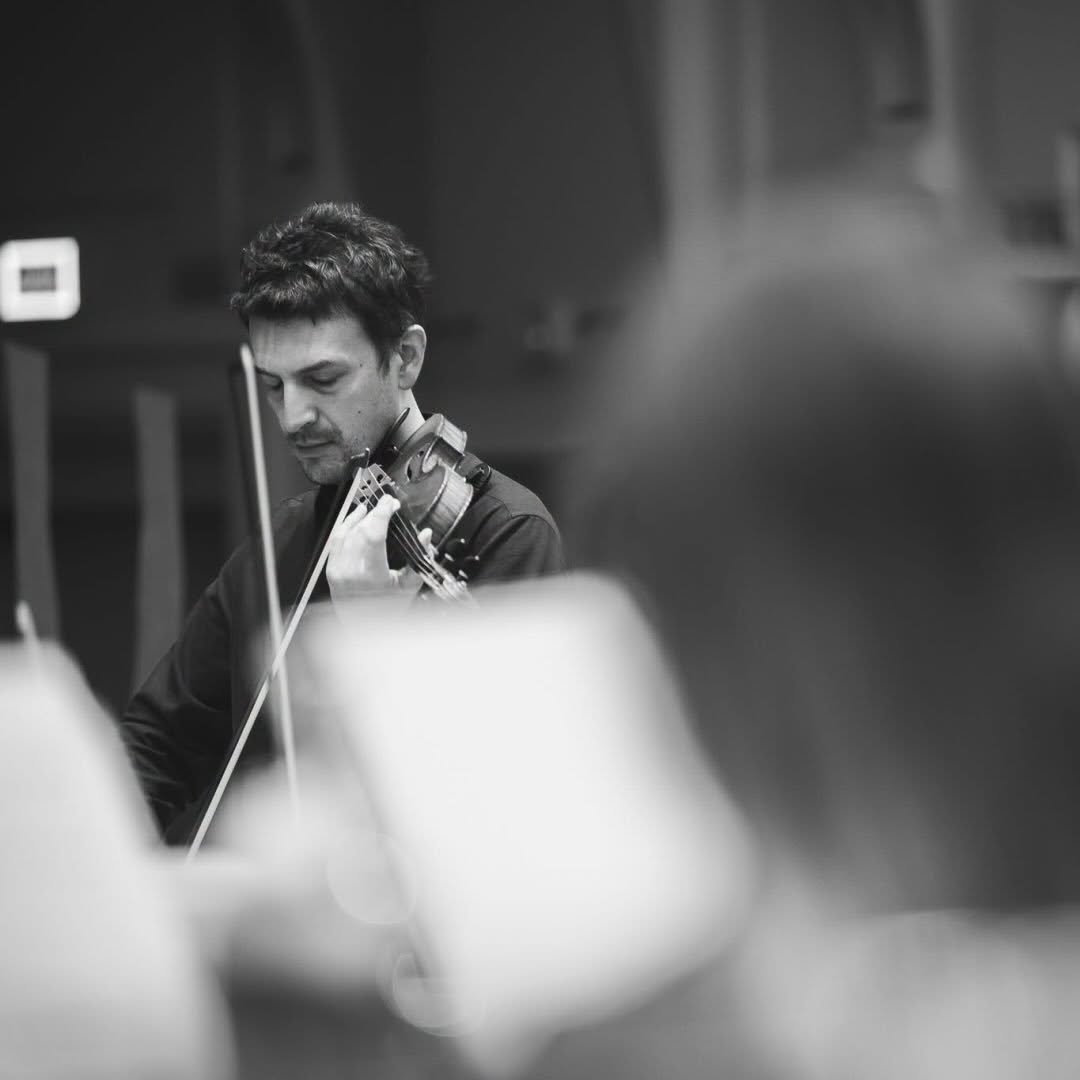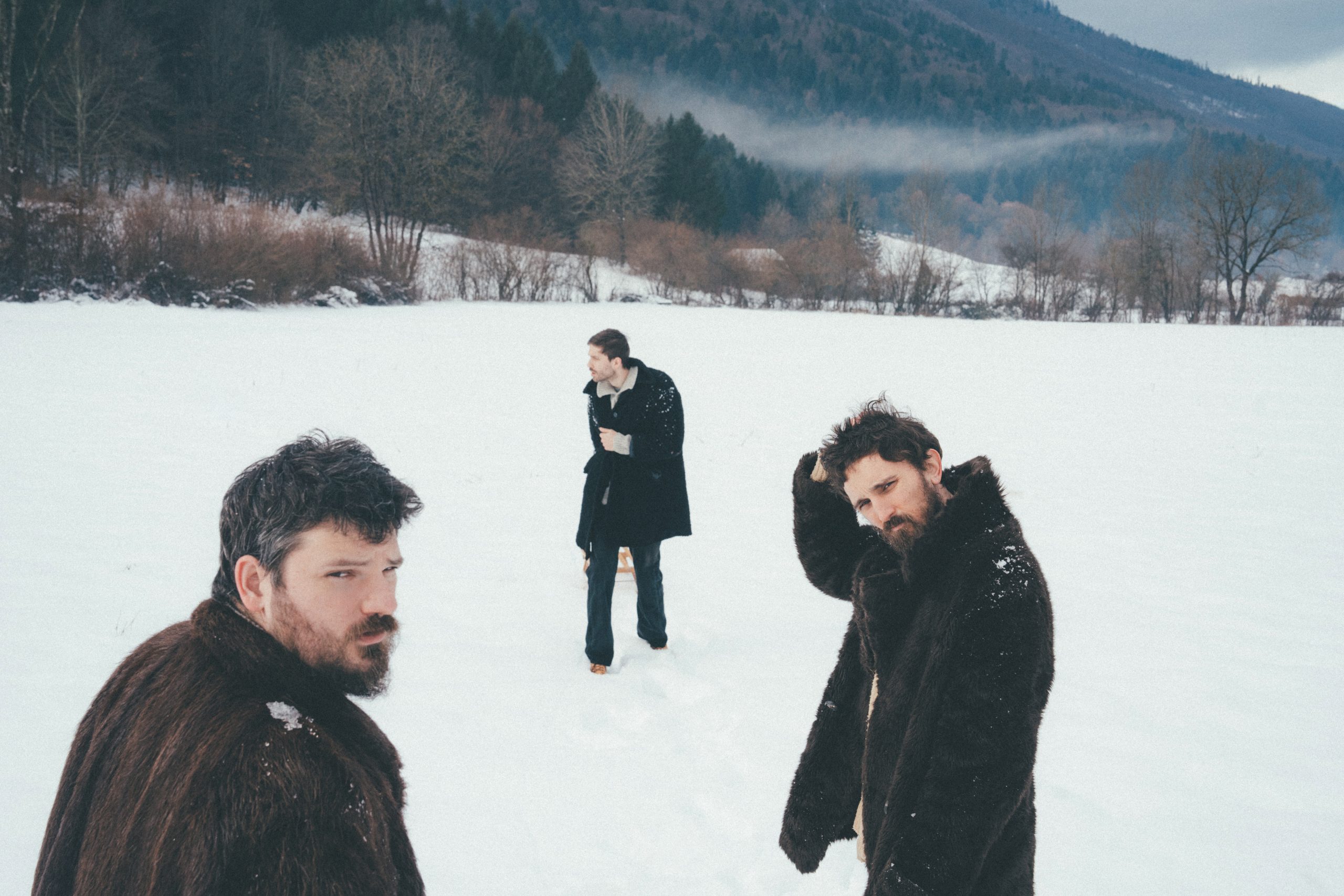
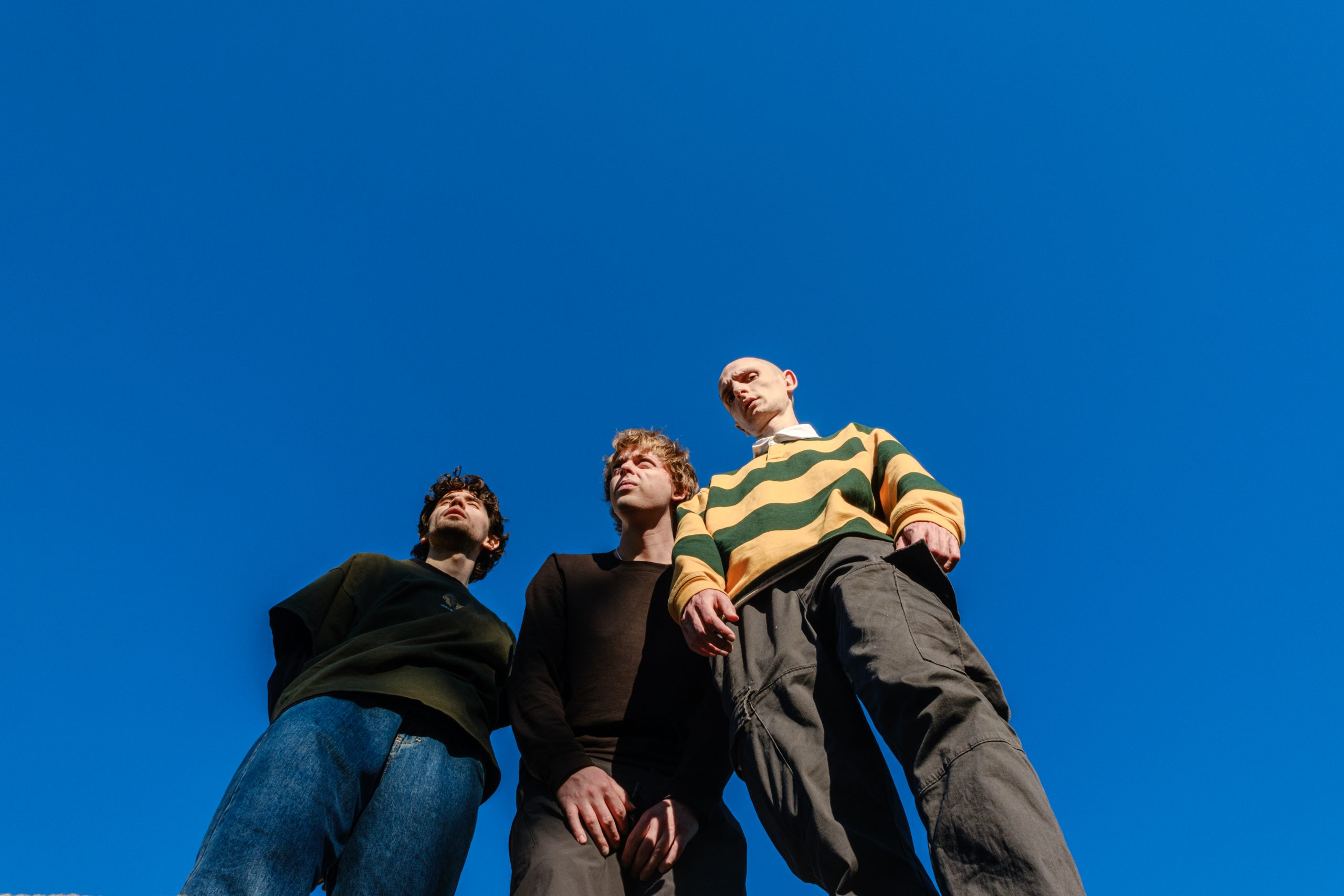
The Milk Snatchers, photo by Lum Hajrullahu
Prishtina’s The Milk Snatchers started in 2016 as a group of friends playing in a garage. In 2021, they became a proper band after a covers concert at Termokiss straight after the COVID lockdown. Two years later, they released their debut EP, Pulse and Pebbles: post-punk revival crossed with art rock and indie, all sung in English. Just don’t call it math rock.
Their name comes from Margaret Thatcher’s old nickname, and their sound pulls from Joy Division and Massive Attack as much as Captain Beefheart, Bach and Kosovo’s 2000s alternative scene.
We spoke to lead singer Donat about the EP, the state of Prishtina’s scene, the current bands worth hearing, as well as their first album, which is due next year.
1. How did The Milk Snatchers start, and where does the name come from?
We began early in 2016 and ’17 as a bunch of friends in a garage, playing music and having fun with that. The actual band was formed in 2021 when we first hosted a cover concert with my sister, Edona Vatoci, and a friend of ours, Drin Tashi, singer-songwriter from “Syte”. The concert in Termokiss, right after the COVID lockdown, was a nice pat on the back. The people loved it. We got the memo. Two years later, we published the Pulse and Pebbles EP.
The name comes from the nickname “Thatcher, the Milk Snatcher”, referring to Margaret’s infamous decision to nick kids’ milk in school. Look it up.
2. Tell us about the EP: how and where did you record it, and what’s it about?
The idea was always there. We had already been working on our songs since that Termokiss concert. The opportunity presented itself when we managed to secure some funds from the Ministry of Culture. We had wanted to make an album, but due to lack of funds, we had to scale it down to an EP. We decided that our EP should have a theme so we had to pick the theme. We had songs that were more no-wave and some more alternative (pop indie?) songs. We chose the indie ones.
It’s never been math rock. Don’t call it math rock.
Pulse and Pebbles. Small, quick and a burst. A wave. Part of something bigger. Two consonant-heavy objects strung together.
In our attempts to pick between the million options, we saw this name as a temporary home for our unfound sound.
3. Who are your biggest influences, from Kosovo or anywhere else?
The answer everybody wants to hear is the usual suspects: Pink Floyd, Massive Attack and Joy Division. Some people said we sound like The Smiths too. I once heard that there’s a tinge of Jim Morrison in me. That’s a compliment. But then there’s Captain Beefheart, Bach, A Tribe Called Quest, Skip James, Schubert, and way too many to name. Local influences like Elektorati Intelektual, Cute Babulja, Retrovizorja, Por-nó, NR, and so many others.
The variety is what makes it fun. I’m just pointing out some of the obvious ones, I guess?
I’d say what makes the band is you never know what you’re going to get at one of our “everybody’s back from abroad” concerts.
4. What’s it like being a band in Prishtina right now? Where do you rehearse and play?
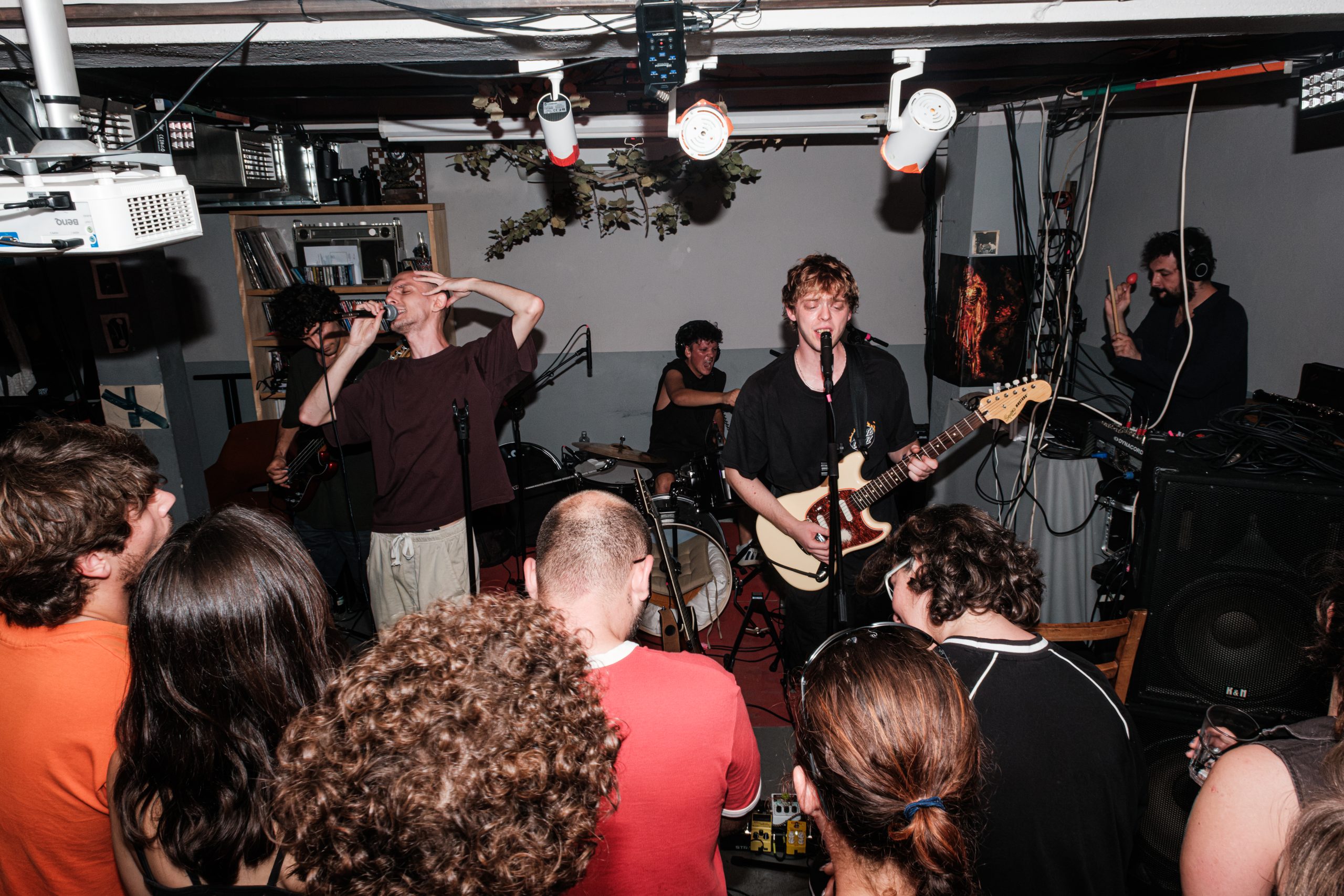
The short answer is bad. And I don’t necessarily think that it’s getting better. The government cut down on funding. And as much as I hate to turn this into a political discussion, with a country like Kosovo depending so much on Western aid, USAID cutting funds means that people are now competing for a smaller pool. At the end of the day, if we talk about “being a band in x,” it comes down to funds and opportunities. But there is enthusiasm, and for a group of people it continues to be entirely about the music. It comes with the territory of being a small country. I think generally, considering the level of income, the population, and the situation of us being such a fresh country, I would say there’s a healthy small group learning how to slowly be a community. Very grassroots.
The two main practice spaces in Prishtina for local bands are the Dardania garages and the Ulpiana one. This has been the case since forever.
Don’t get me started on where we play. I’ve got nothing but love for bars, but the scene needs more dedicated venues desperately.
5. Which venues, spaces, or people are driving the scene right now?
Well, it’s been pretty stale. There’s not been a lot of changes. Local festivals have grown in number, gotten smaller, yet more decentralized. Sunny Hill being a bigger festival. As far as venues, spaces are practically nonexistent. Realistically, the only place hosting consistent local band music is Defy Them. Otherwise, it’s always a bar.
6. Do you feel connected to Kosovo’s earlier rock history (bands like Gjurmët, Lindja or Por-Nó), or is it a separate world for you?
I don’t feel very connected to the older music. The 2000s bands, like the ones I mentioned earlier, have influenced us all, I’d say.
7. Which other Kosovo bands should our readers listen to?
Shlem, Telikput, Lorstar44 & The Interpreters, Ferdinand, Zwada.
I think there’s something for everyone in that list. There’s so many young bands that don’t have recordings as well. Spend a summer week in Kosove and get the real scoop. I can name a couple of dozen off the top of my head. Ali Hill Express has done a great job of bringing them together for a few years now.
8. What’s next for you: new music, gigs?
Two songs soon-ish, and we’re working on our first album for next year.
Where to Find Them
For more on Kosovo, read our guide to Prishtina’s music.